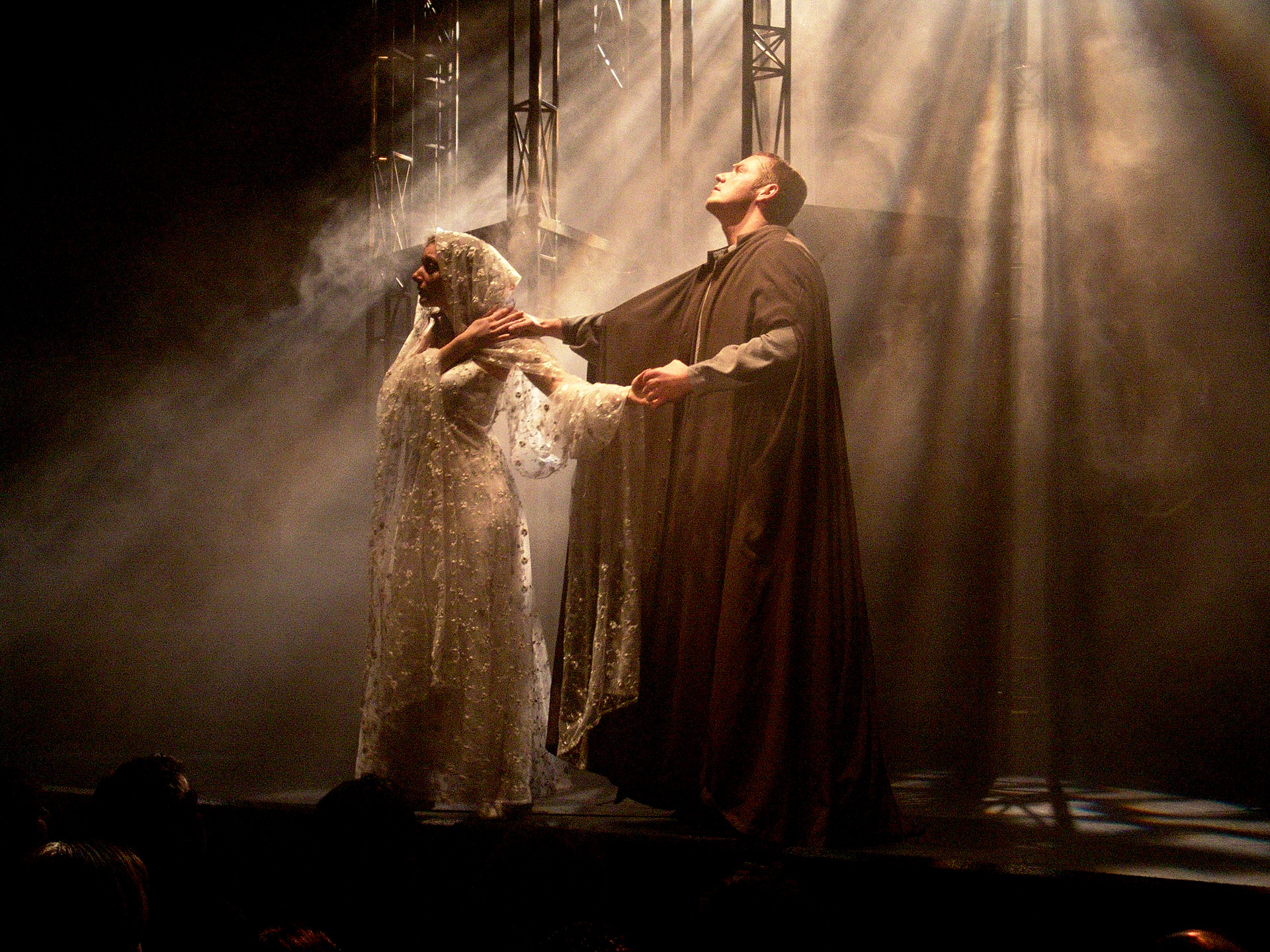
Galileo is based on the powerful dramatic story of a man who defends the truth against a society that refuses to accept it no matter what. Janek Ledecký does not tell this story as a dry biography of the famous scientist known from textbooks, but rather as an epic spectacle full of unexpected plot twists, which is accessible and understandable to the general public.
The main dramatic arc centers on the relationship between Galileo and Cardinal Maffeo Barberini, a lover of science and collector of ancient art who was Galileo’s admirer, patron, and protector—but only until he was elected pope. As Pope Urban VIII, he had to renounce not only his famous collection but also his relationship with the unorthodox scientist, against whom he ultimately presided over a church council. In his life views, Galileo is confronted with the views and life stance of his predecessor, the astronomer and philosopher Giordano Bruno, who did not recant his heliocentric teachings and was burned at the stake in Rome in 1600. Other characters who contribute to the dramatic narrative include the Jesuit General Melchior Inchofer, Gianna de’ Medici as the epitome of feminine scheming, Galileo’s maid Maria, who comments on Galileo’s actions from the perspective of a simple woman of the people, and Mia, Galileo’s love and muse.
Galileo Galilei was a Tuscan astronomer, philosopher, and physicist closely associated with the Scientific Revolution. He was instrumental in the development of discoveries and inventions such as the telescope, the thermometer, improvements to the microscope, the geometric and military compasses, and even the ballpoint pen. He formulated the law of inertia even before Newton; in the field of mechanics, he is credited with the correct description of free fall, the classical principle of relativity, and motion on an inclined plane. Albert Einstein also drew upon his legacy.
His conflict with the Roman Catholic Church is regarded as the most significant example of the early clash between religion and free thought, particularly science, in Western society.
The song “I Will Never Give Up” topped the charts immediately after the premiere of Galileo at the Kalich Theater in 2003, and the musical became the event of the season. To date, it has had over 600 performances.
The song “I Will Never Give Up” topped the charts immediately after the premiere of Galileo at the Kalich Theater in 2003, and the musical became the event of the season. To date, it has had over 600 performances.
The musical’s arrangements span a wide range, from classic guitar pop to a large symphonic orchestra, complemented by a mixed choir. As with Hamlet, the arrangements and orchestration are the work of Martin Kumžák.
The timeless visual style of the production draws on the Italian Renaissance—the era in which Galileo’s life story takes place—and is the work of set designer Šimon Caban; the costumes were designed by Simona Rybáková. Šimon Caban also directed the production.
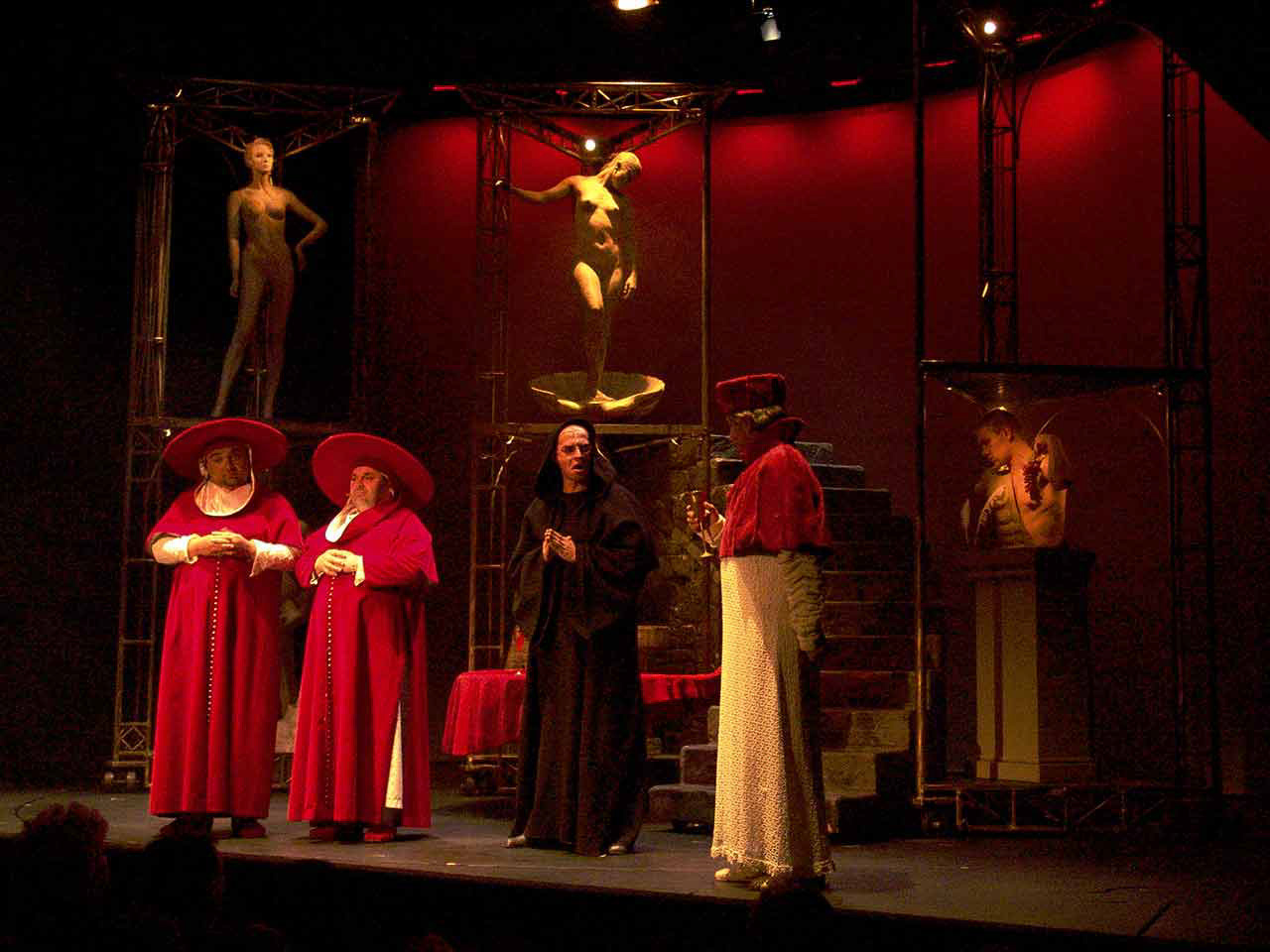
Galileo, 2003
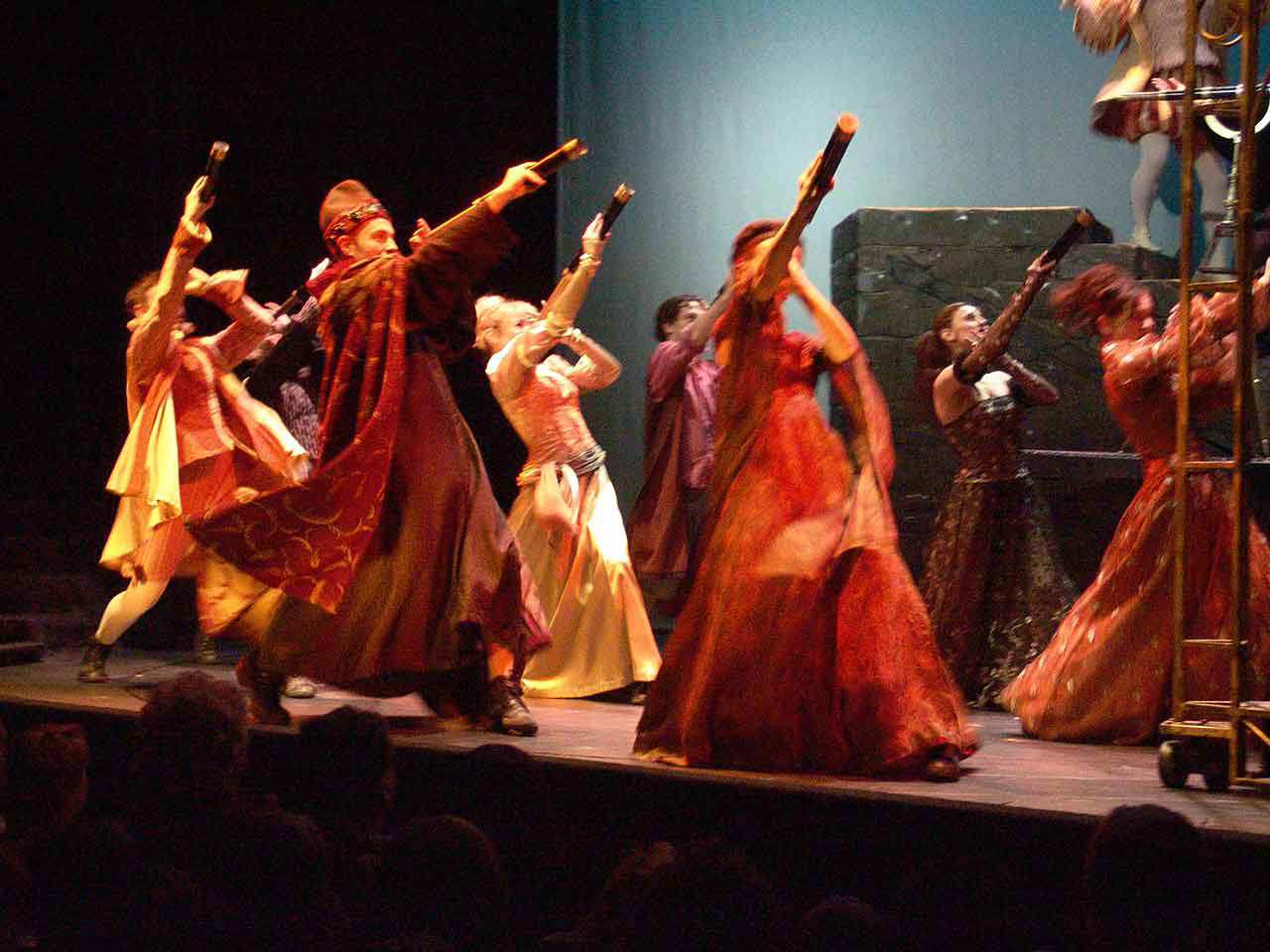
Galileo, 2003
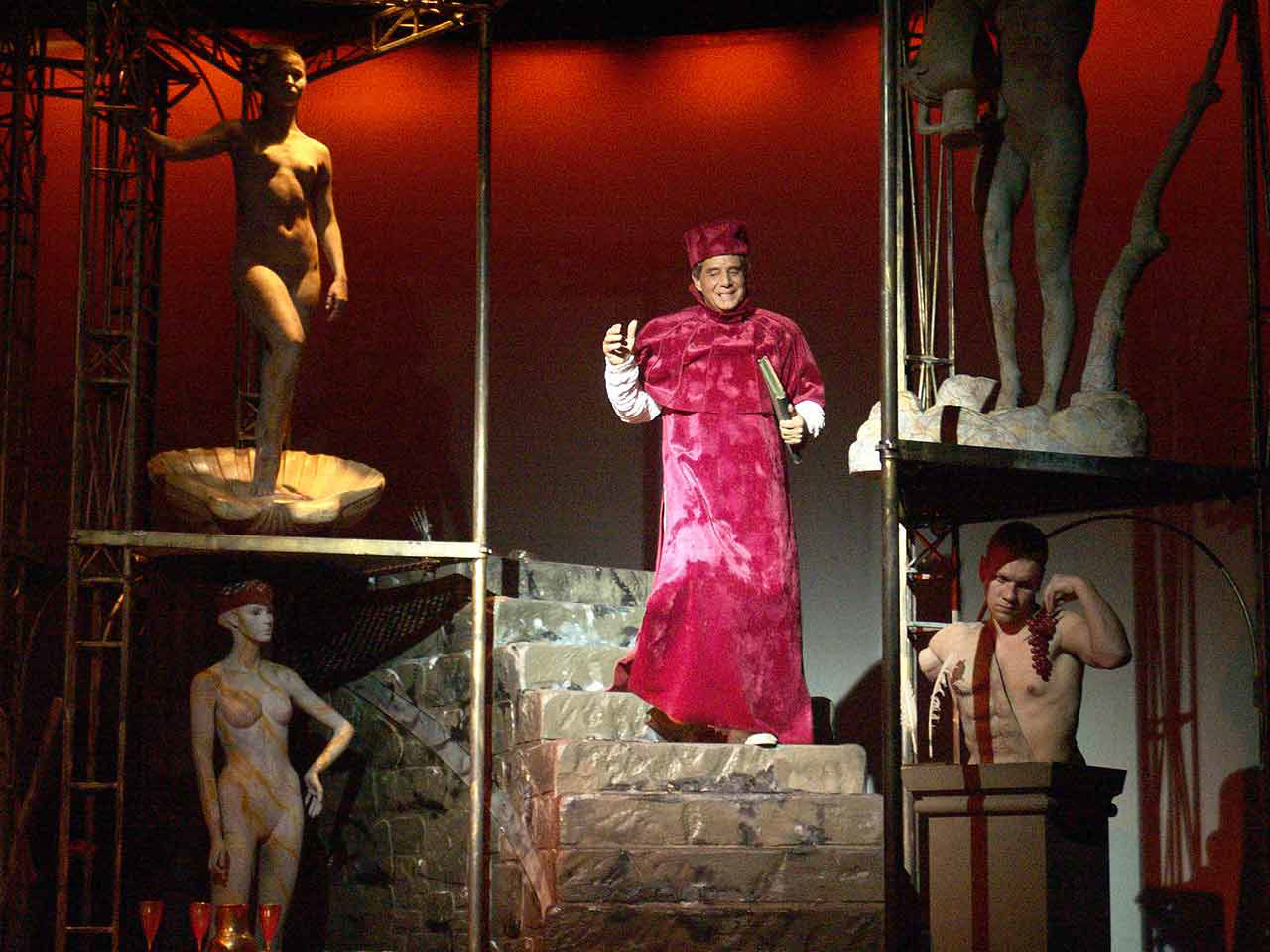
Galileo, 2003
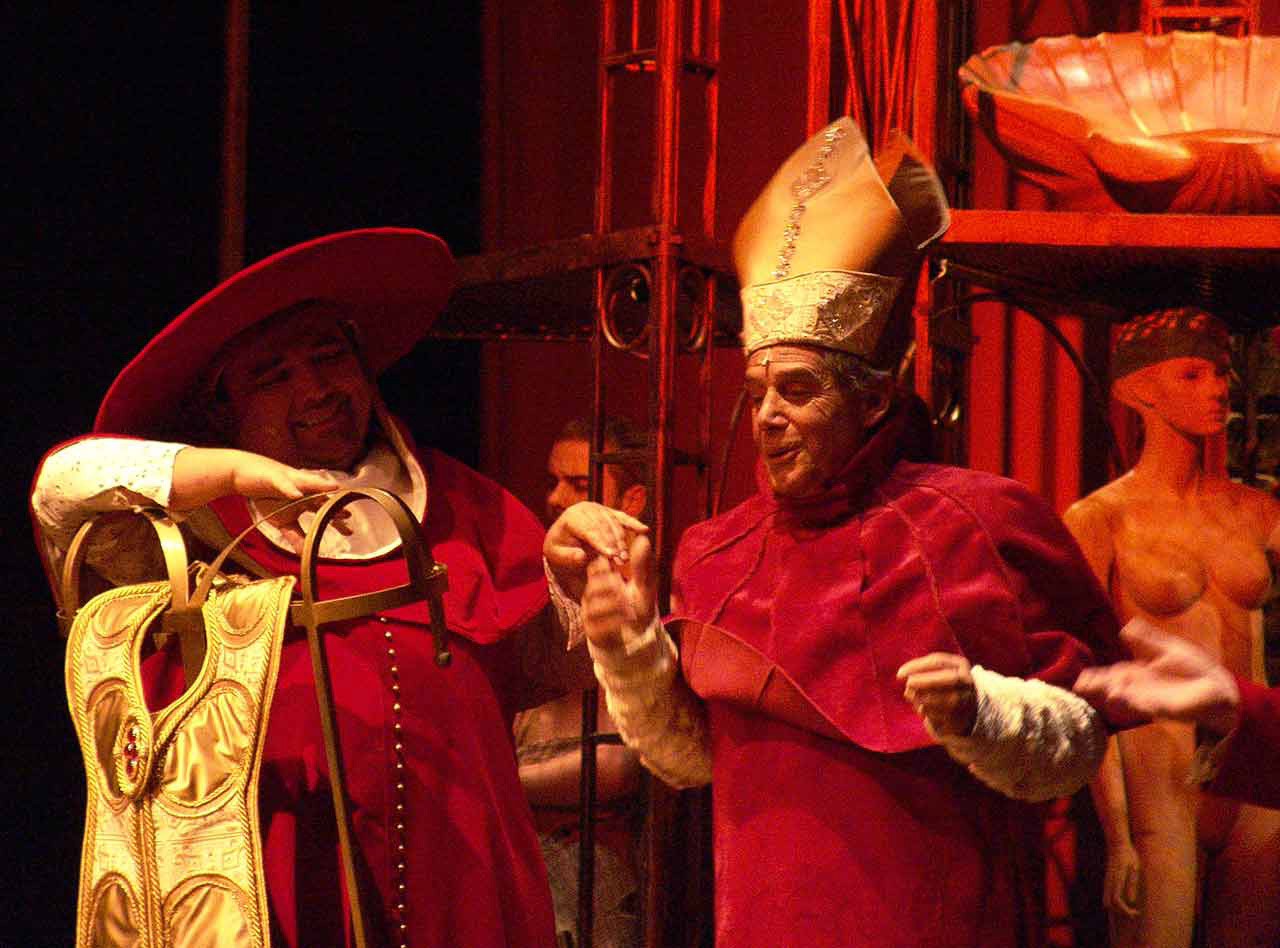
Galileo, 2003
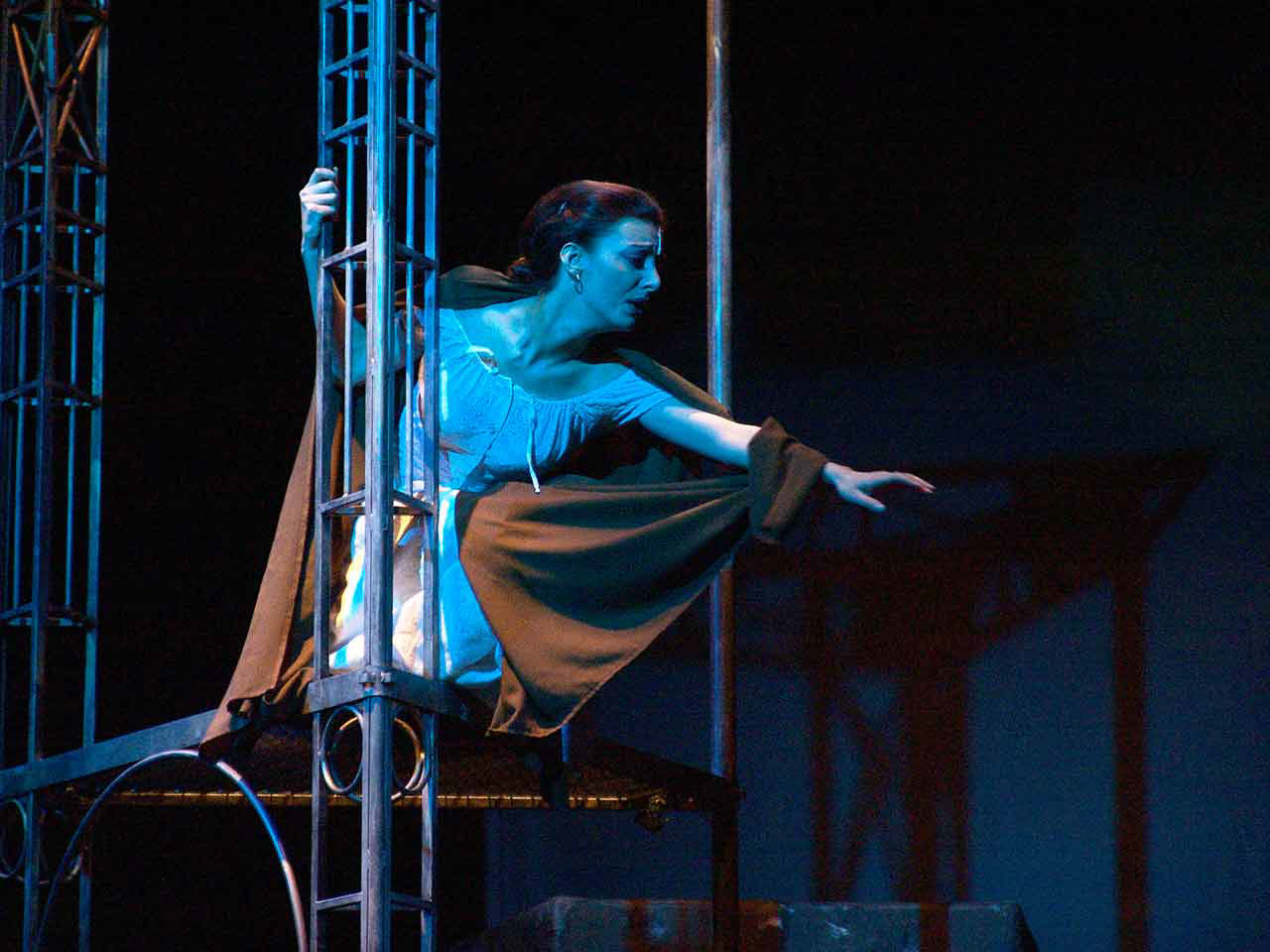
Galileo, 2003
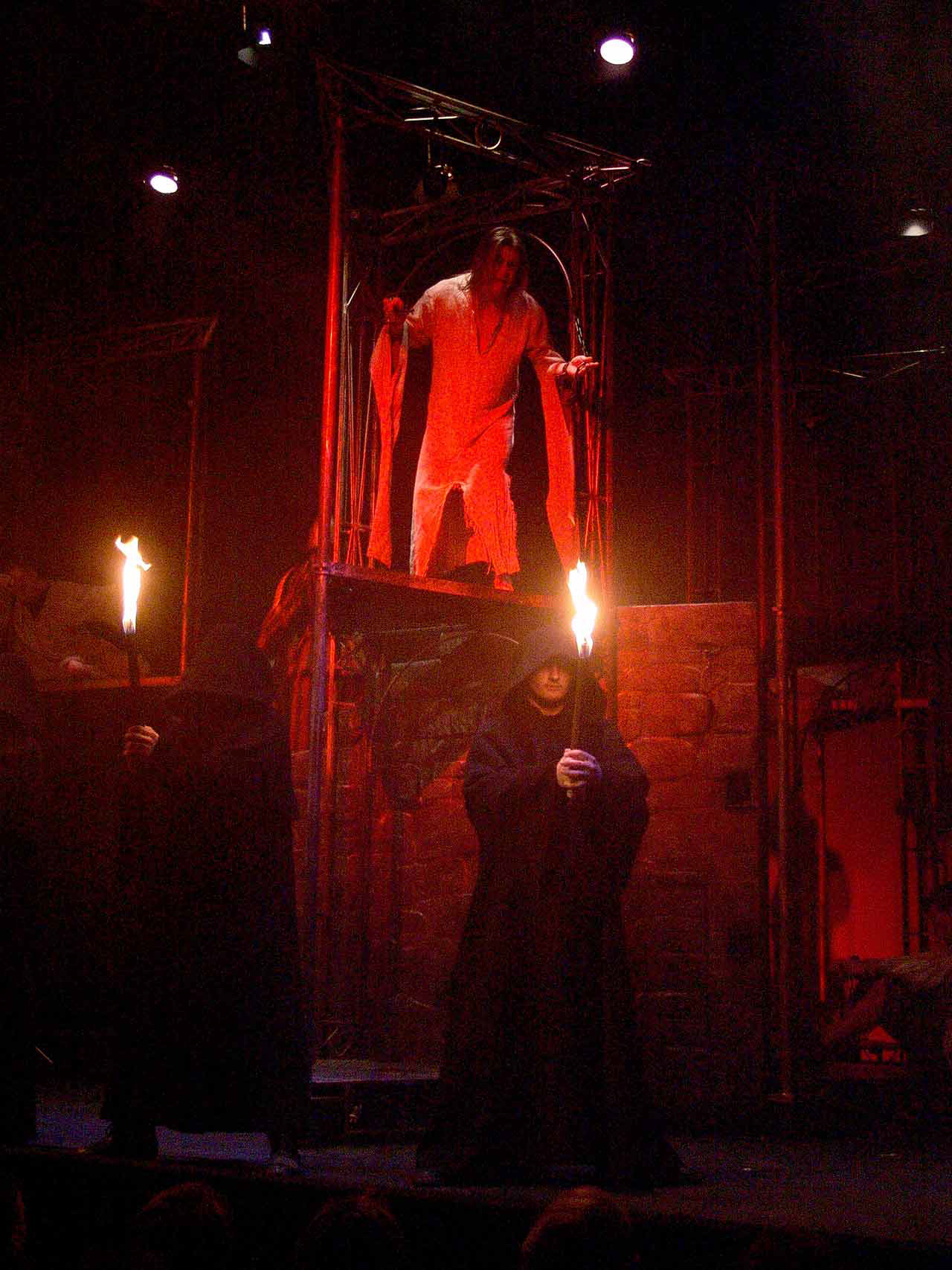
Galileo, 2003
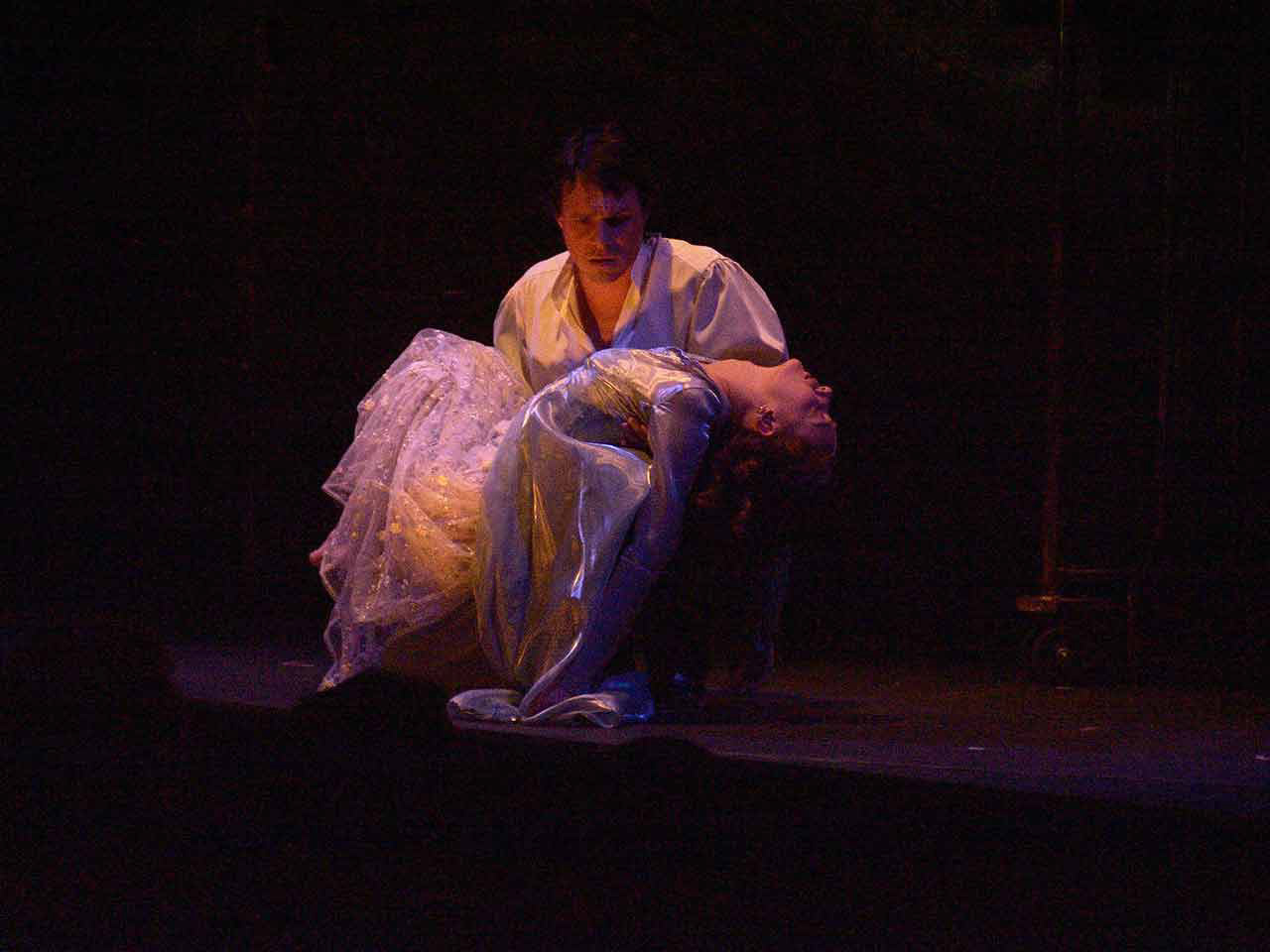
Galileo, 2003
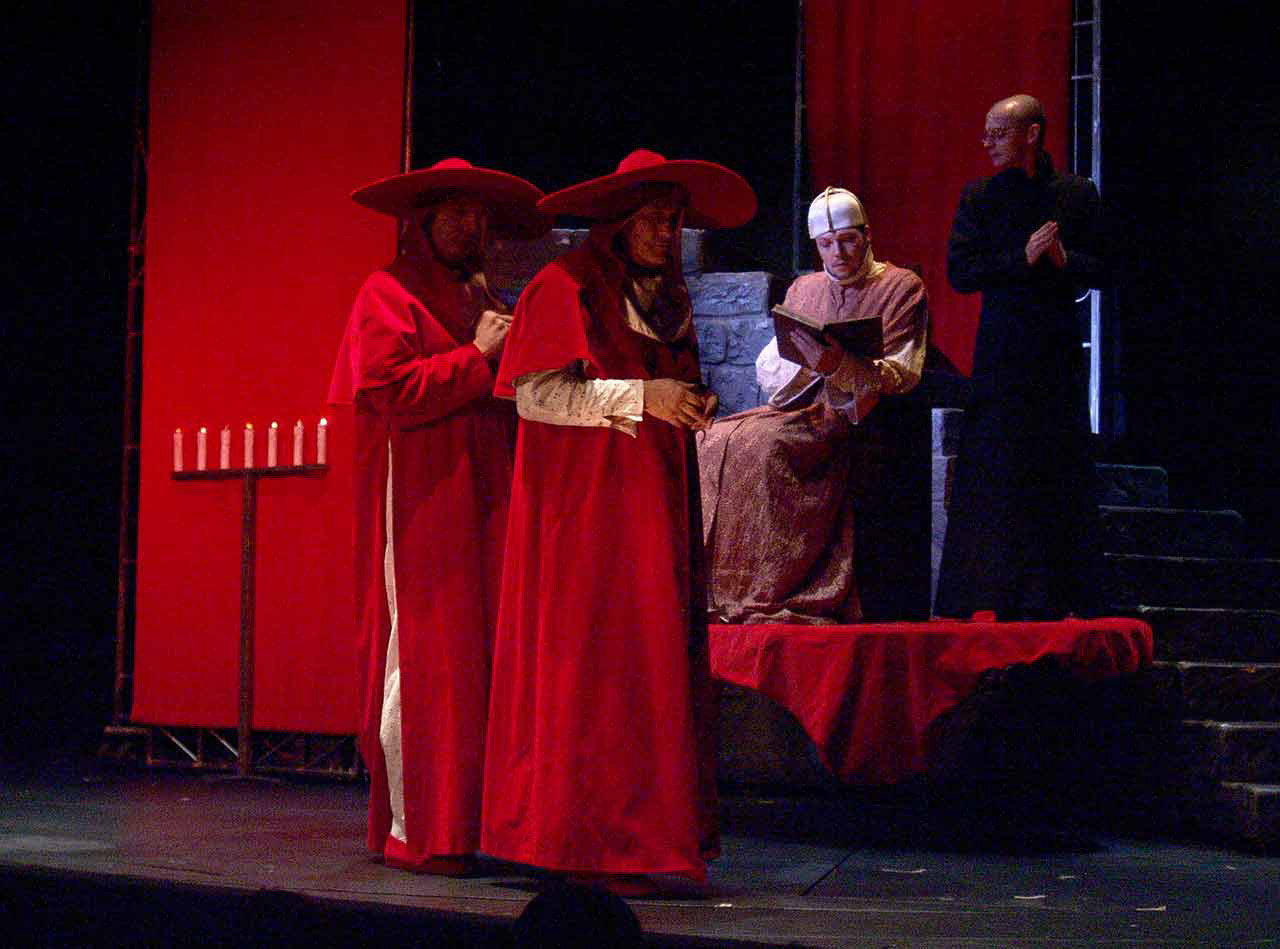
Galileo, 2003
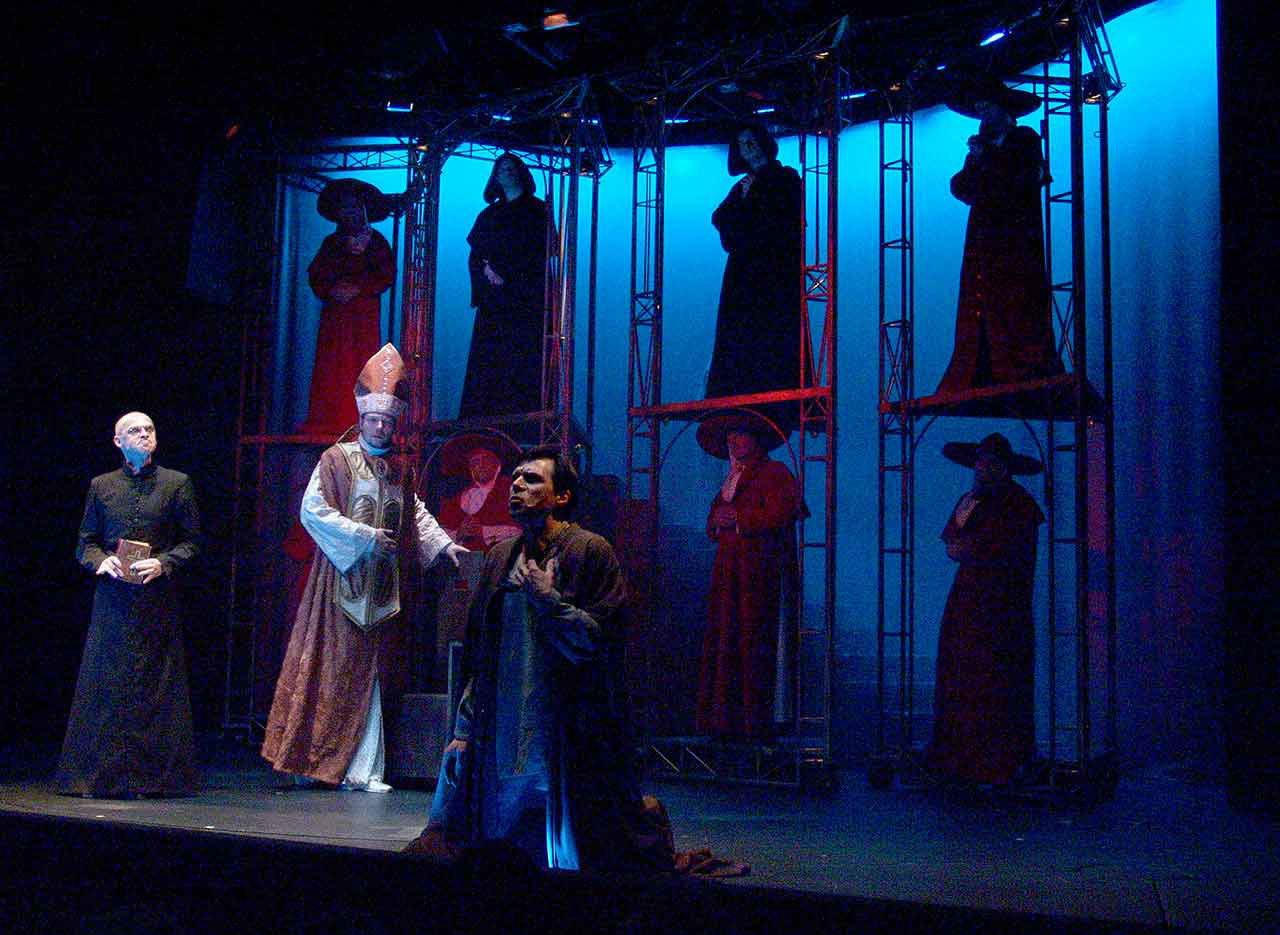
Galileo, 2003
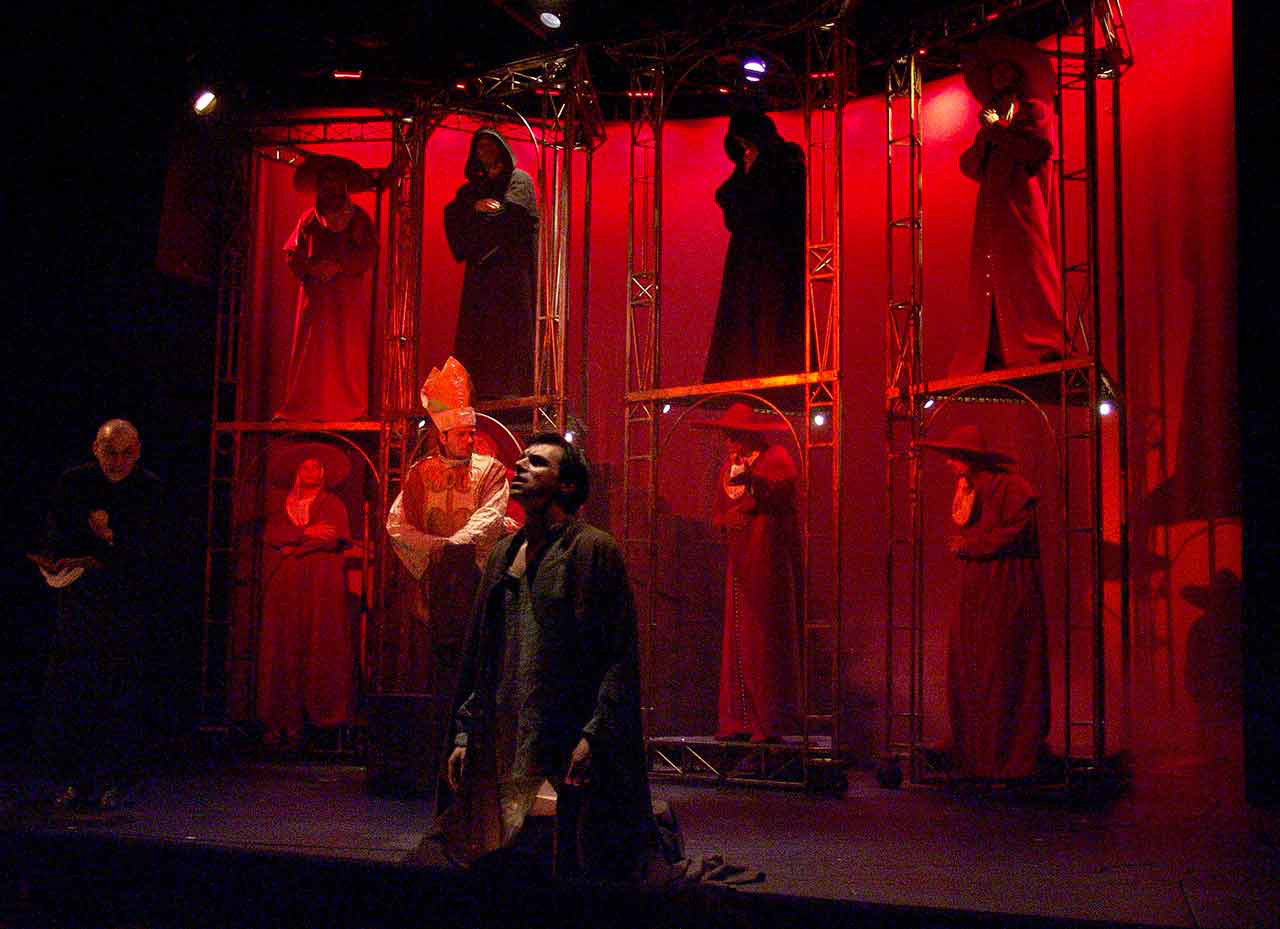
Galileo, 2003
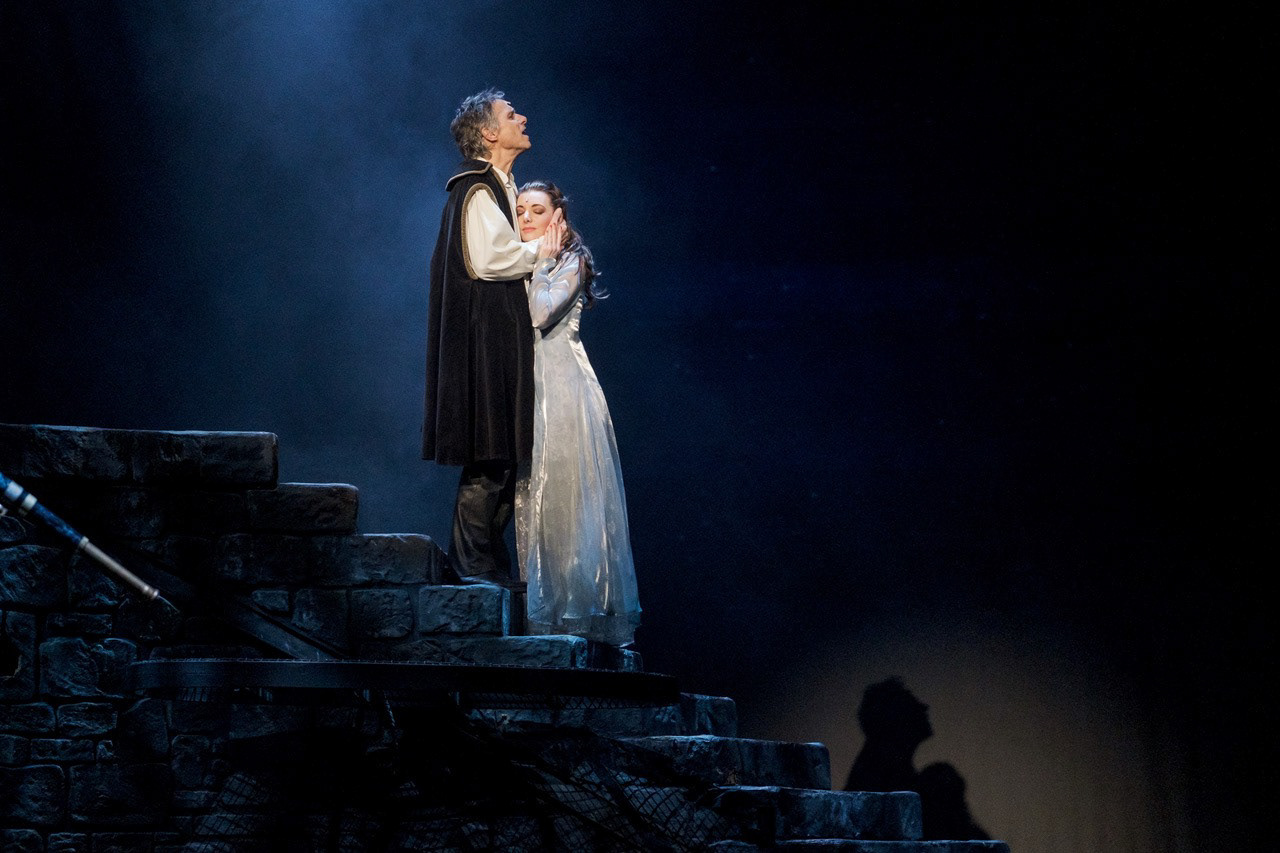
Galileo, 2019
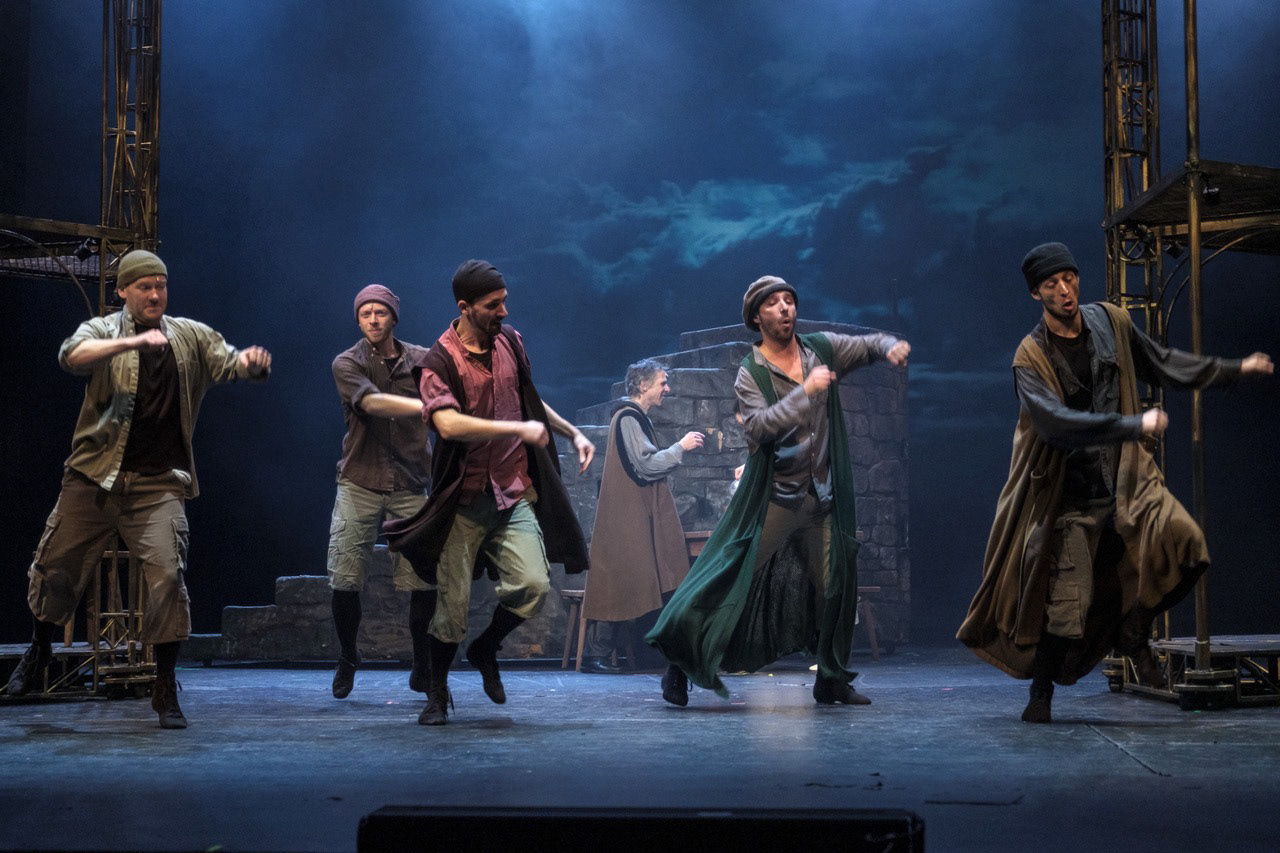
Galileo, 2019
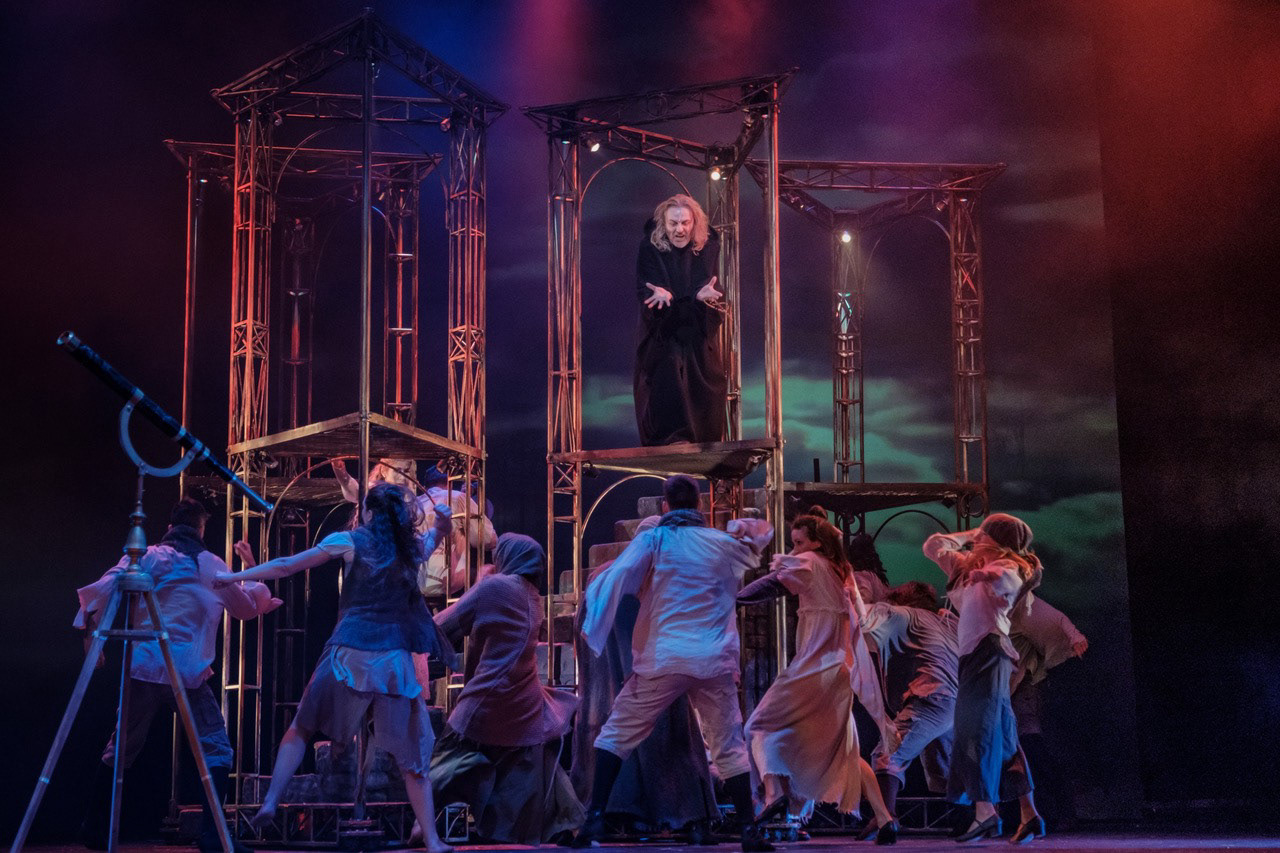
Galileo, 2019
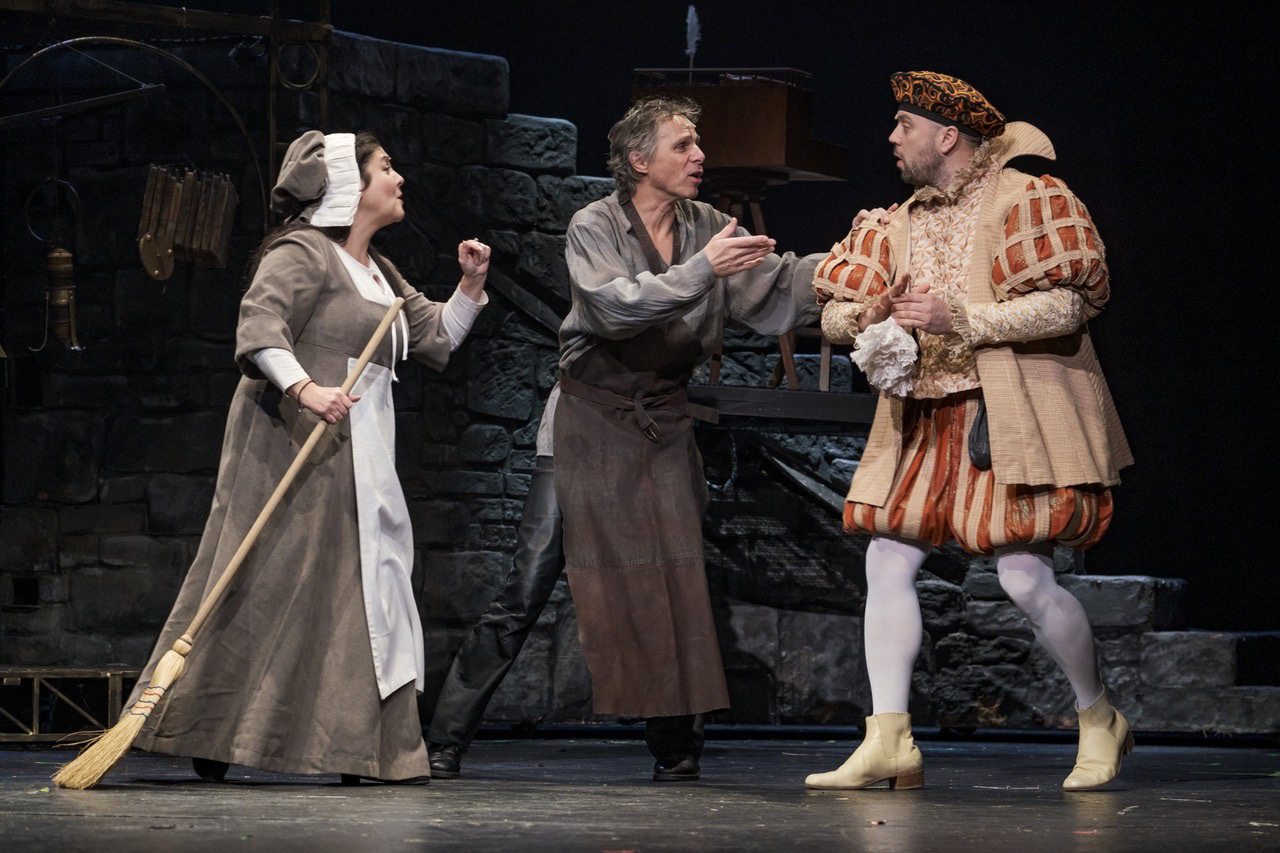
Galileo, 2019
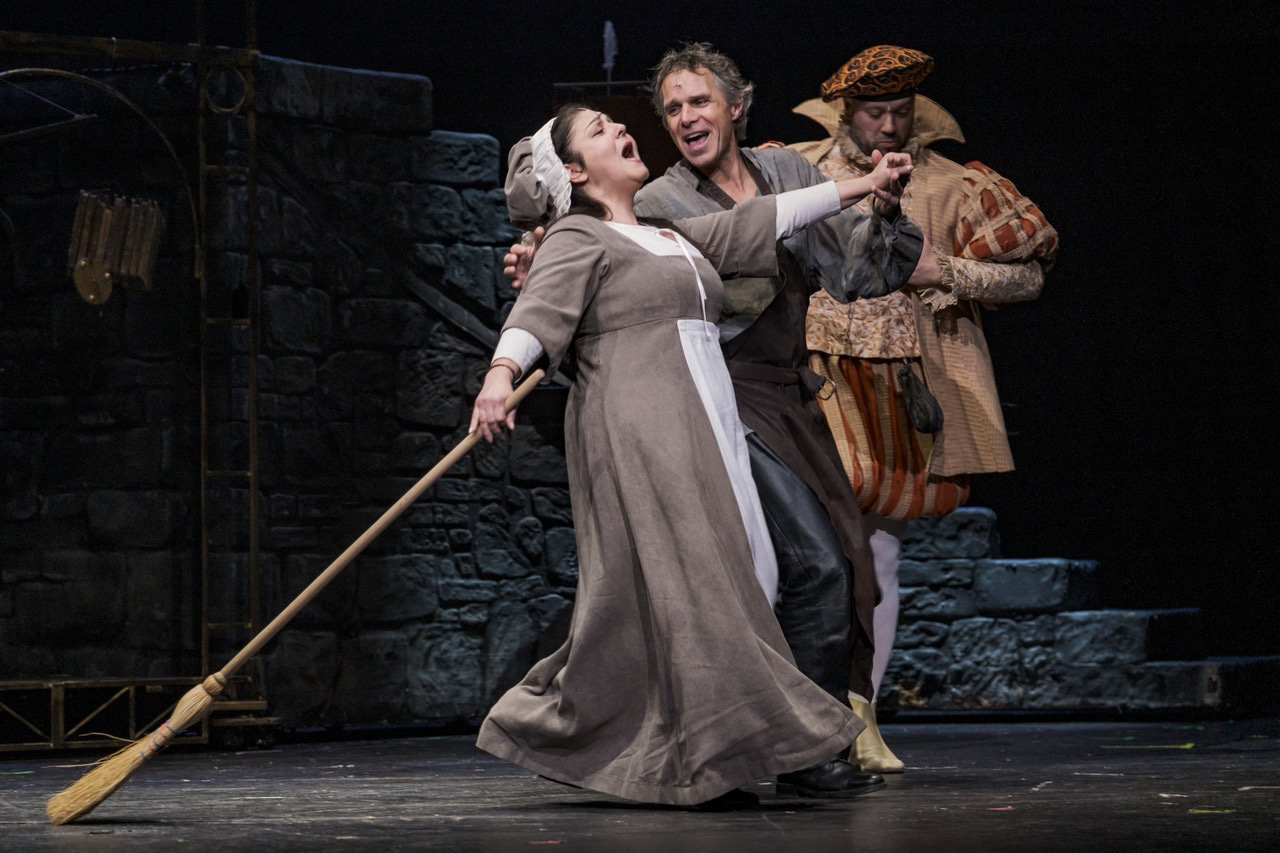
Galileo, 2019
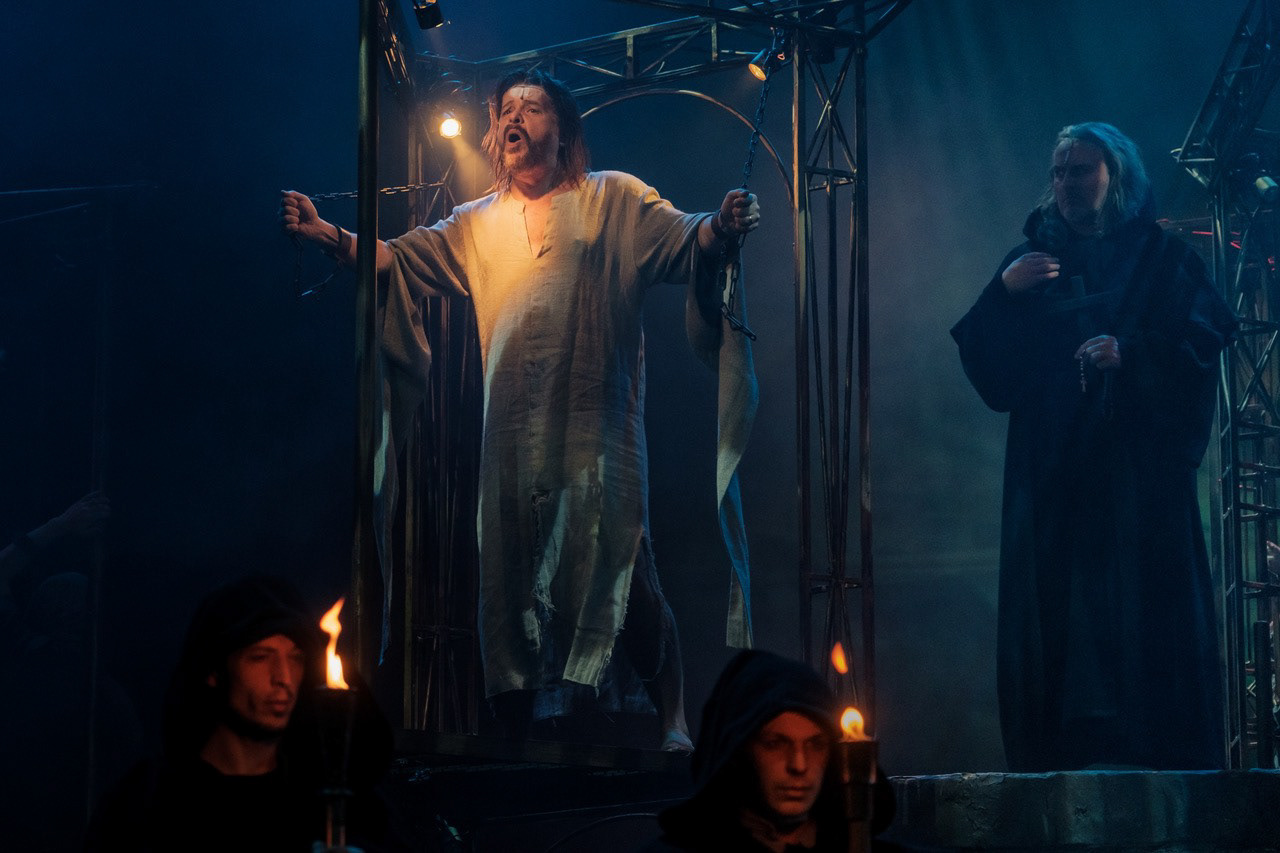
Galileo, 2019
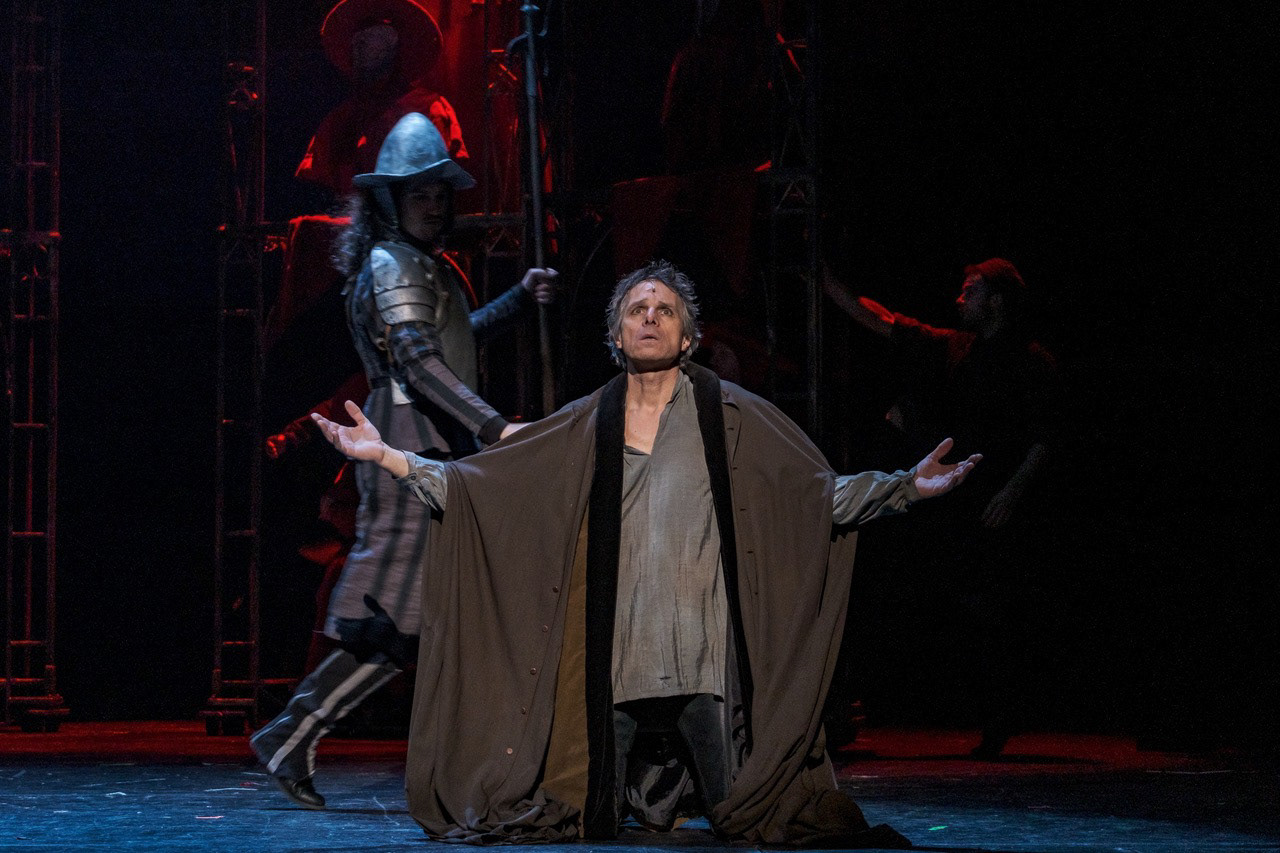
Galileo, 2019
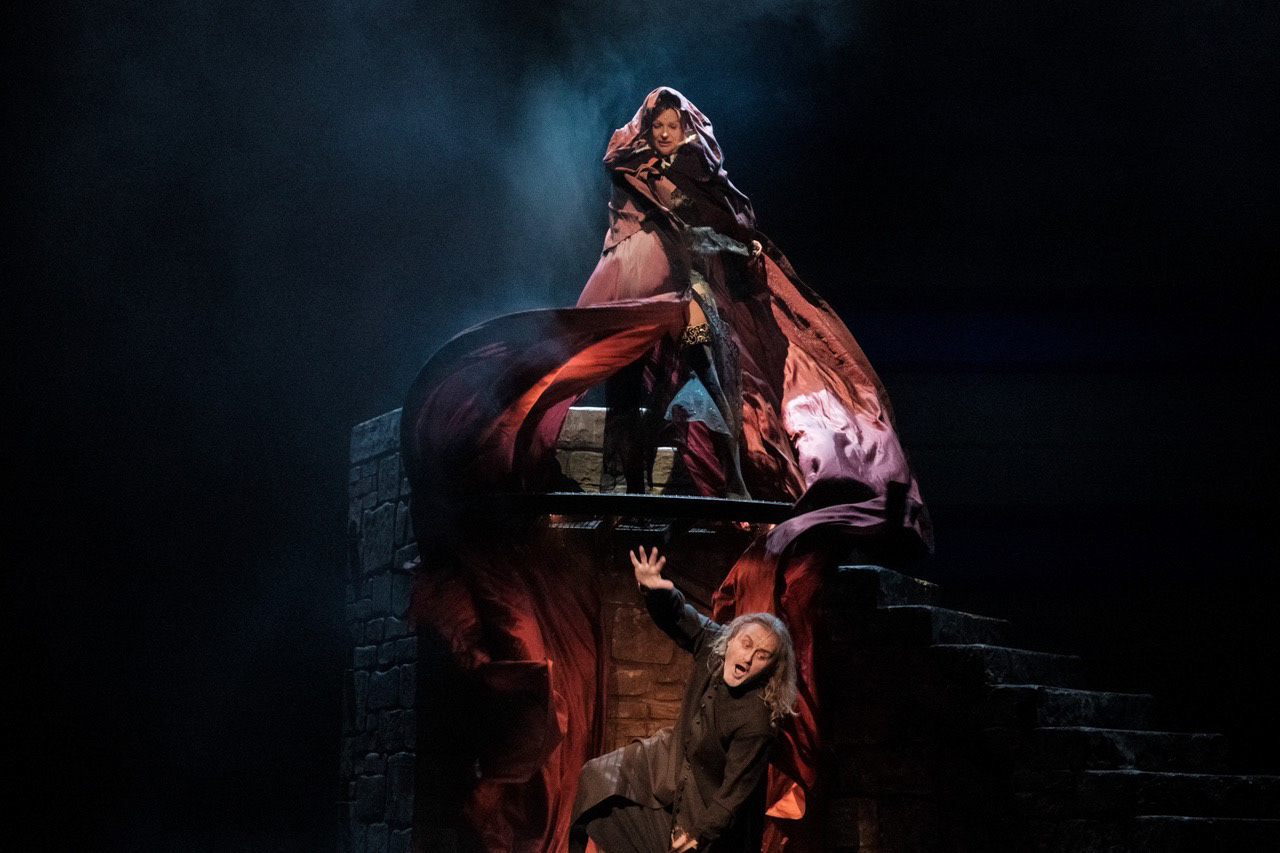
Galileo, 2019
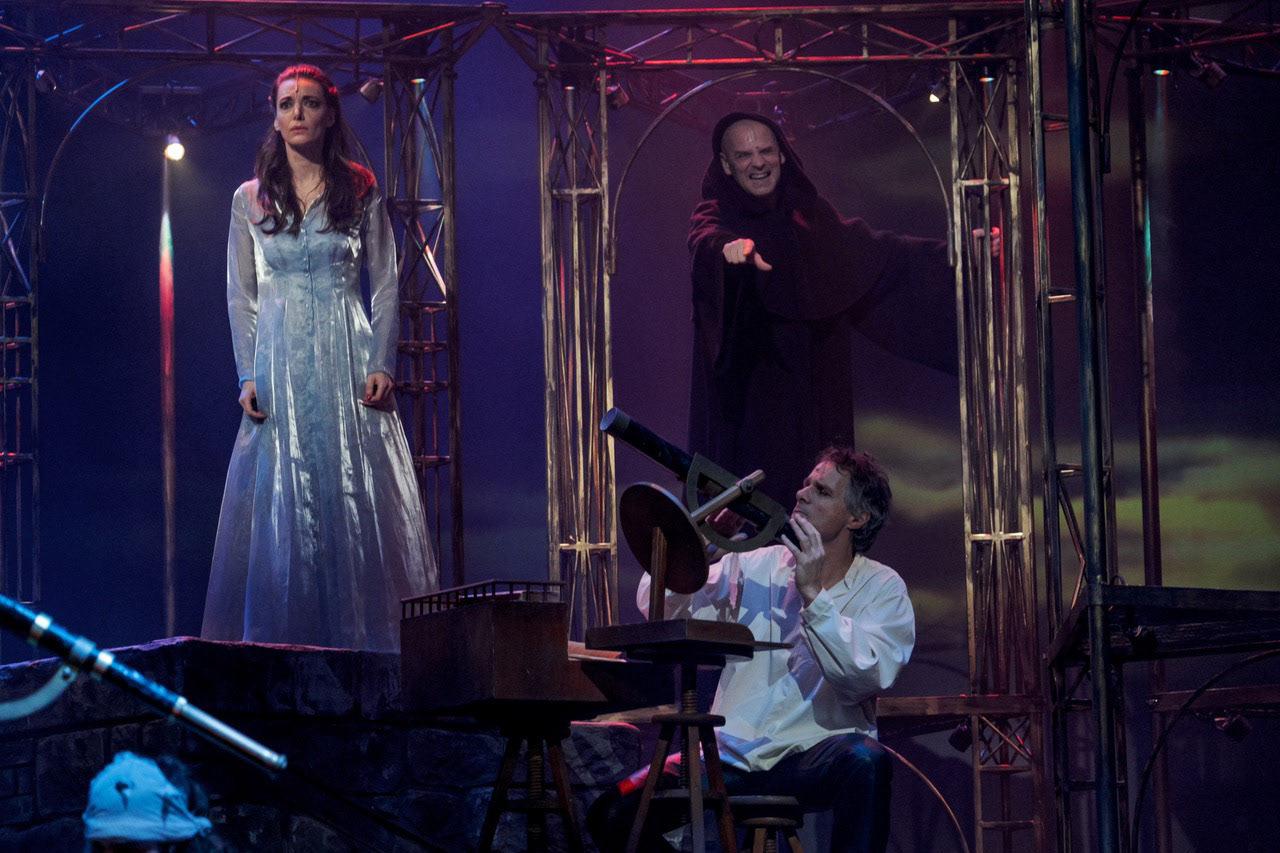
Galileo, 2019
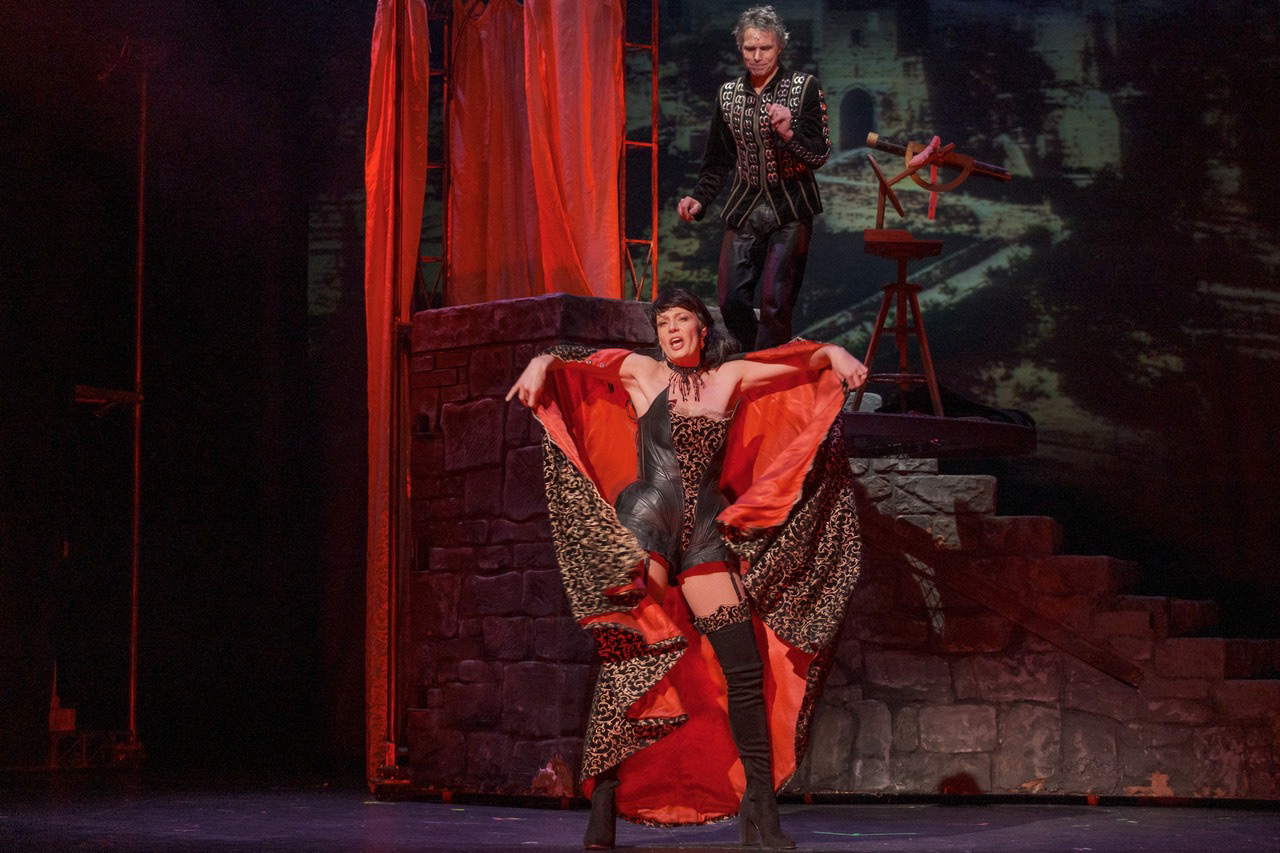
Galileo, 2019
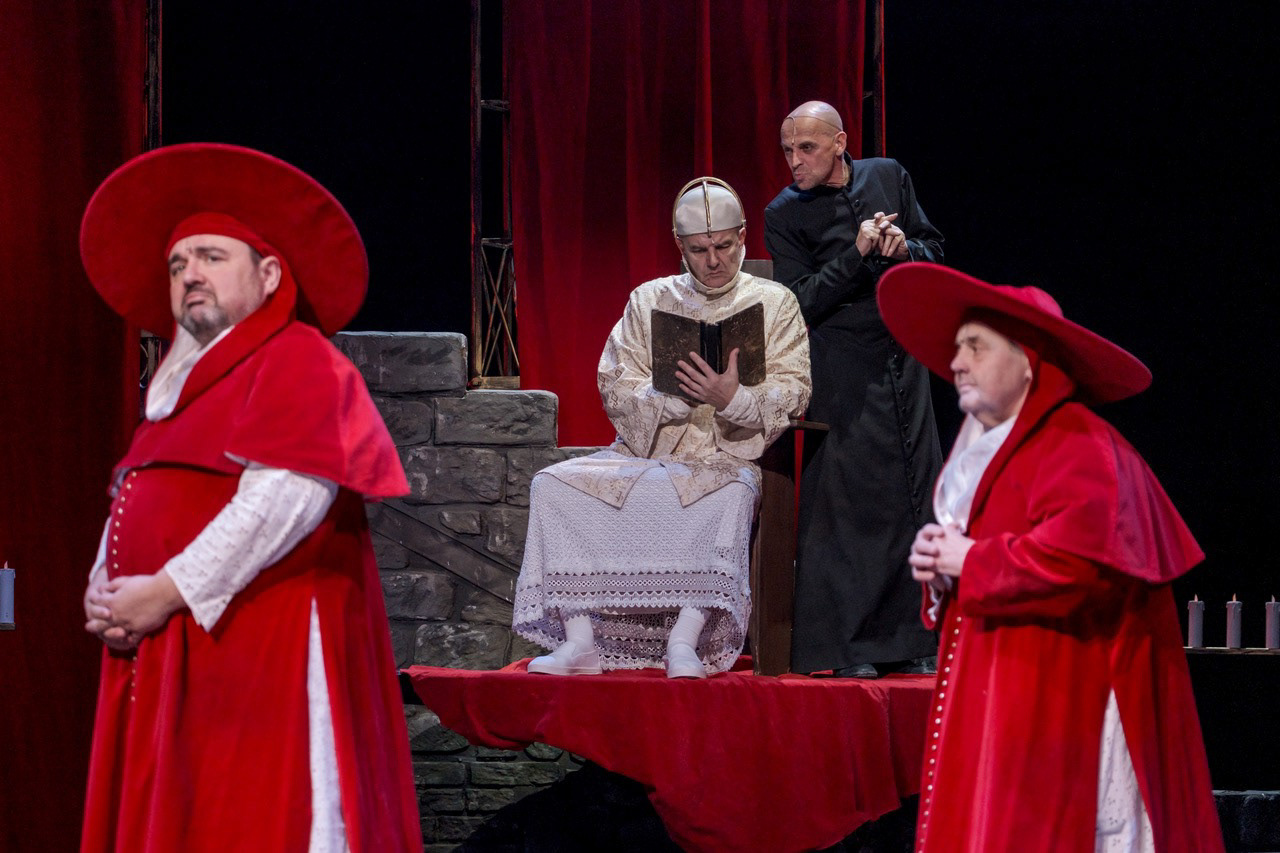
Galileo, 2019
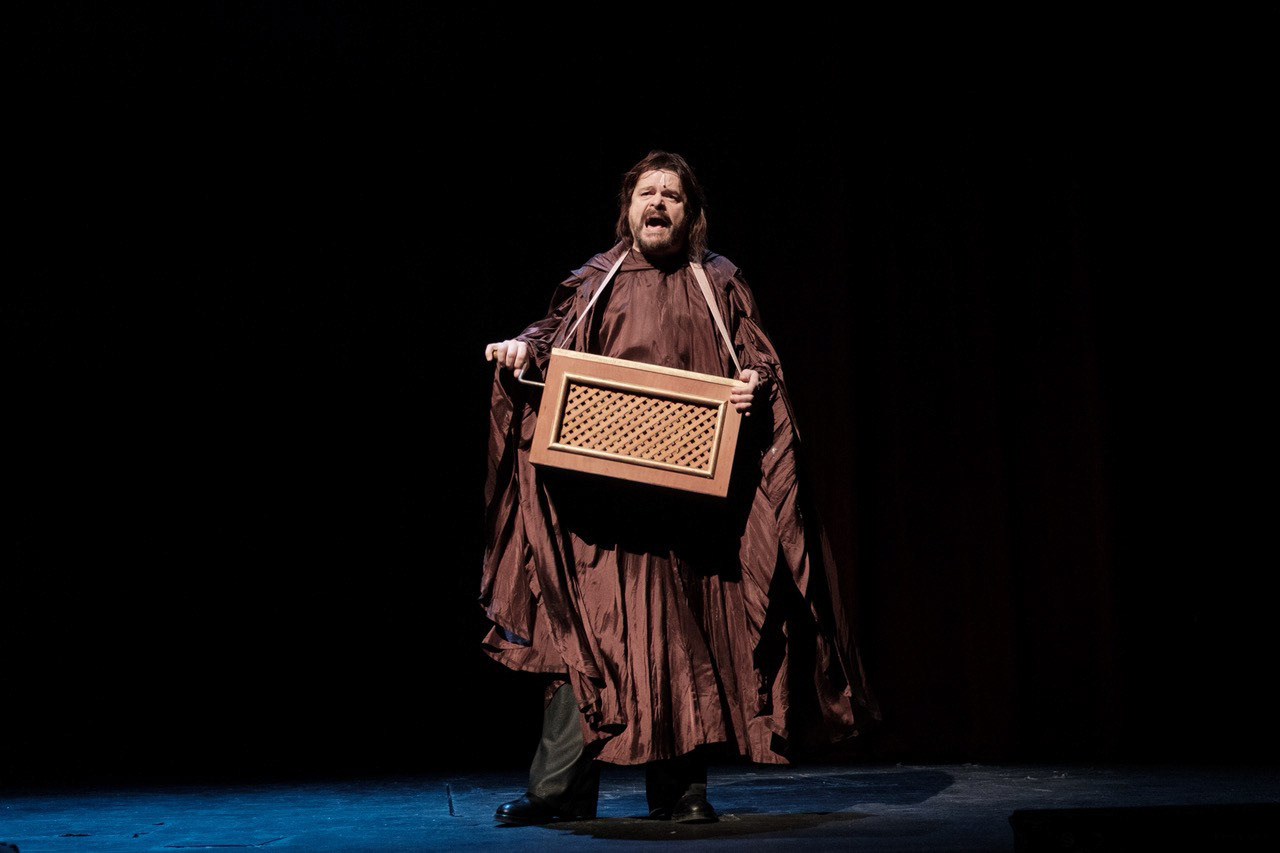
Galileo, 2019
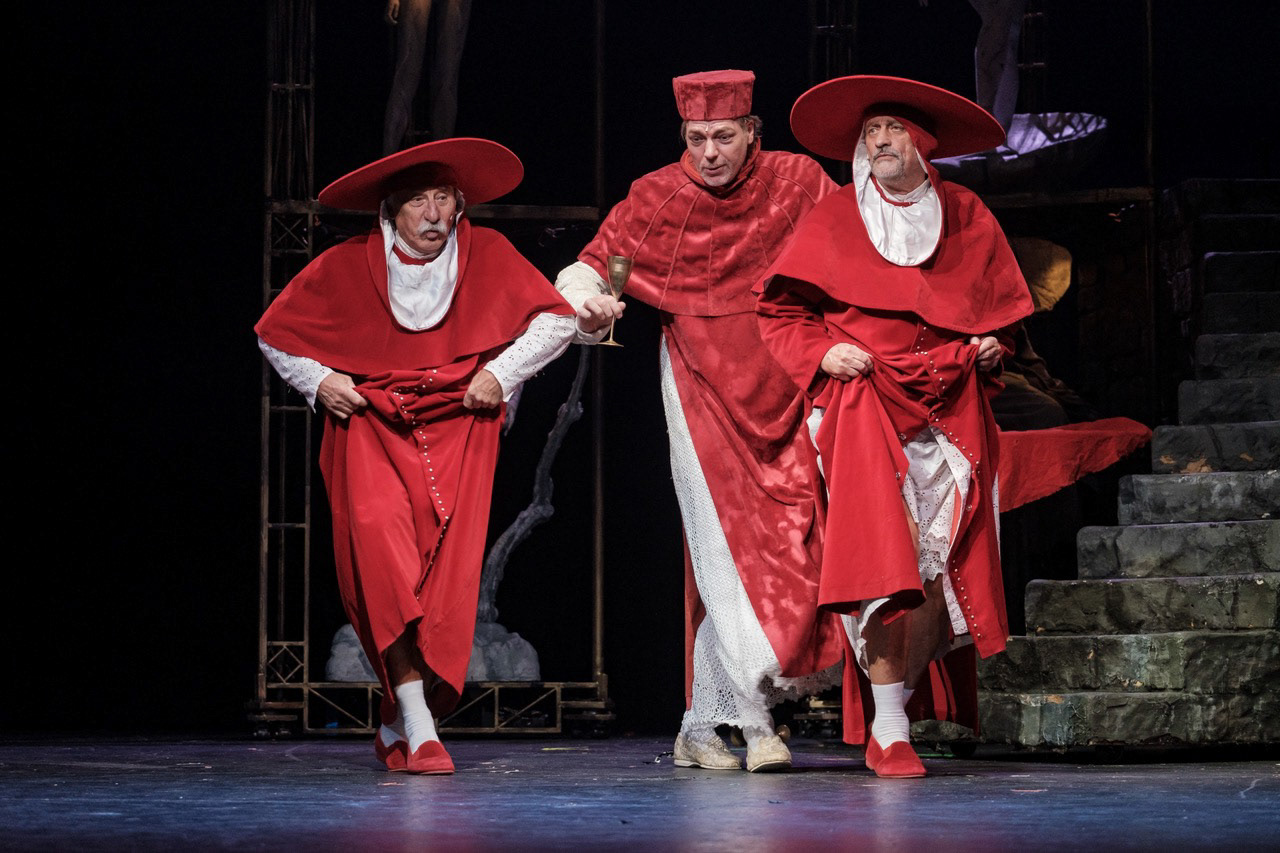
Galileo, 2019
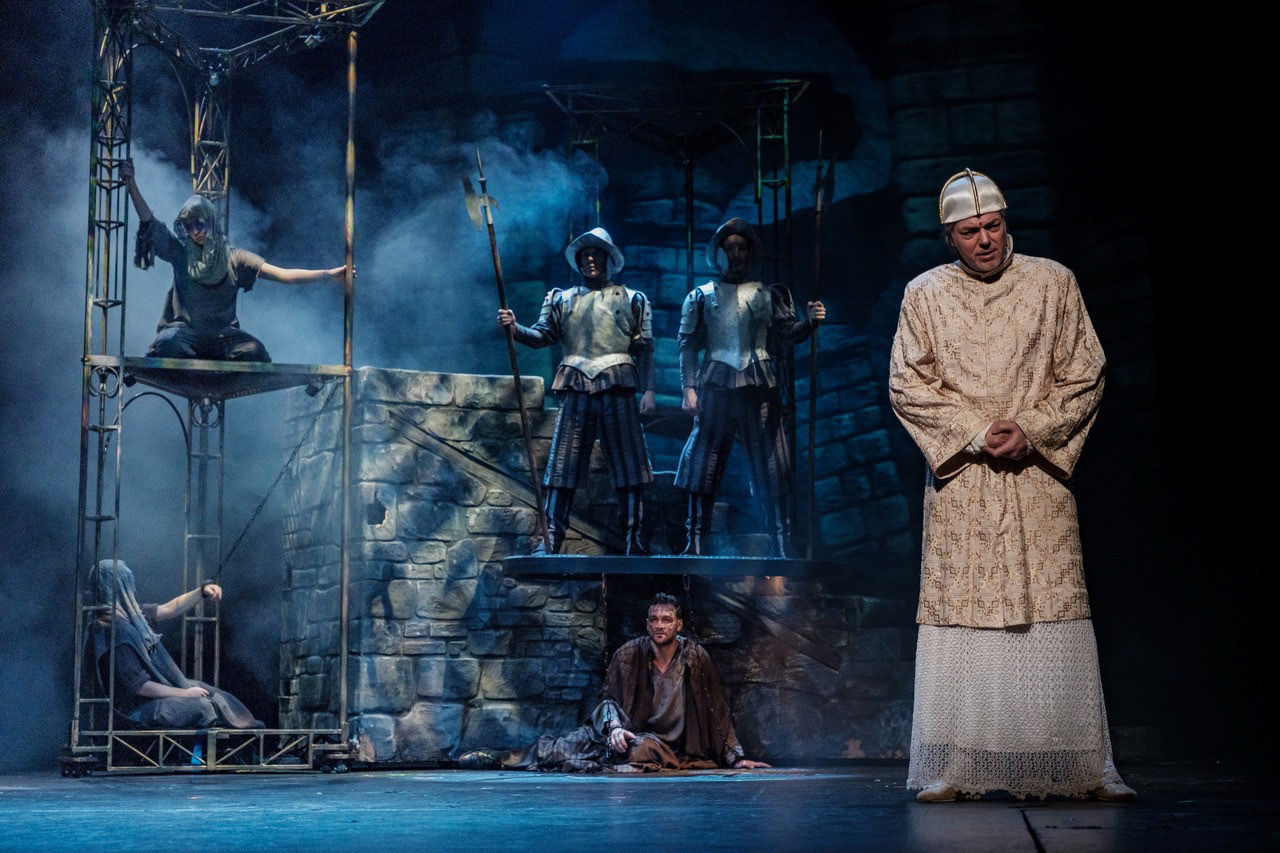
Galileo, 2019
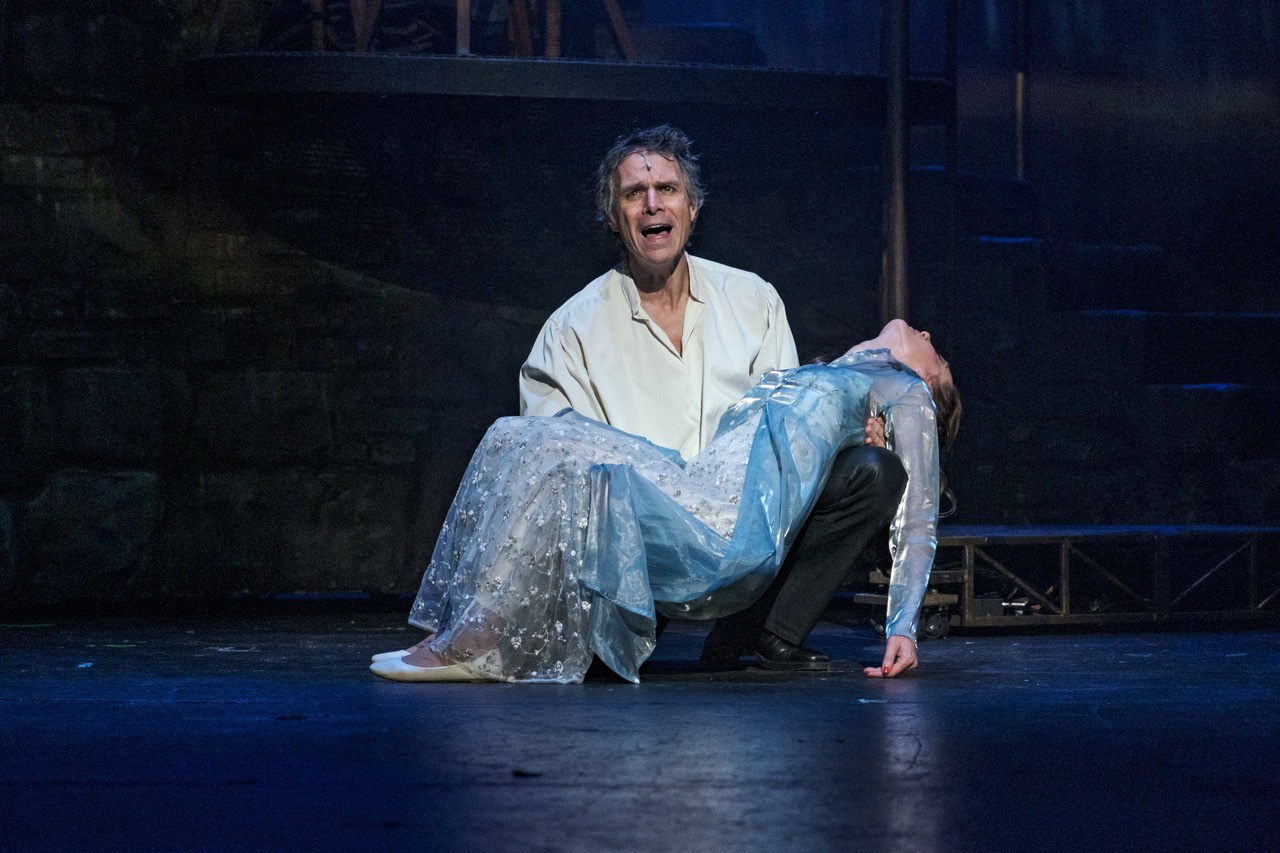
Galileo, 2019
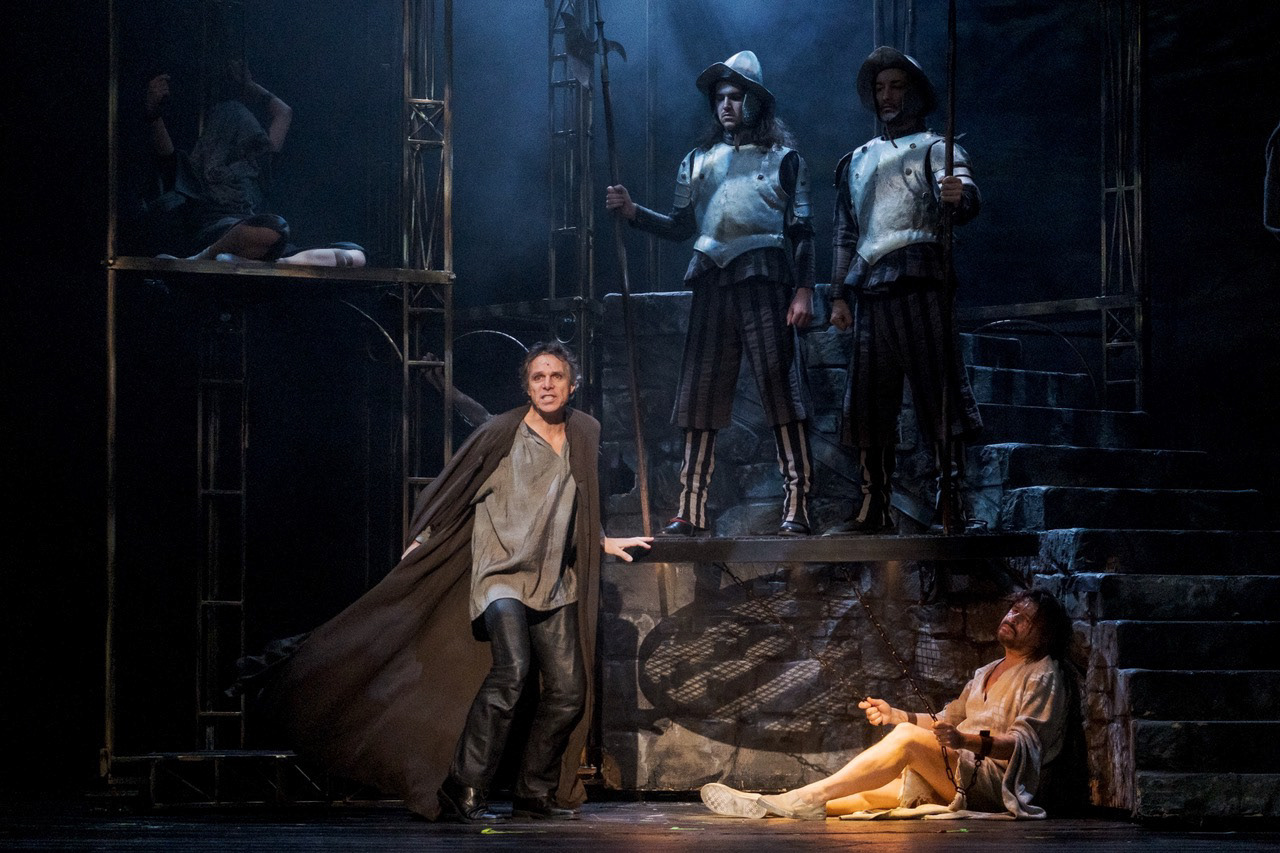
Galileo, 2019
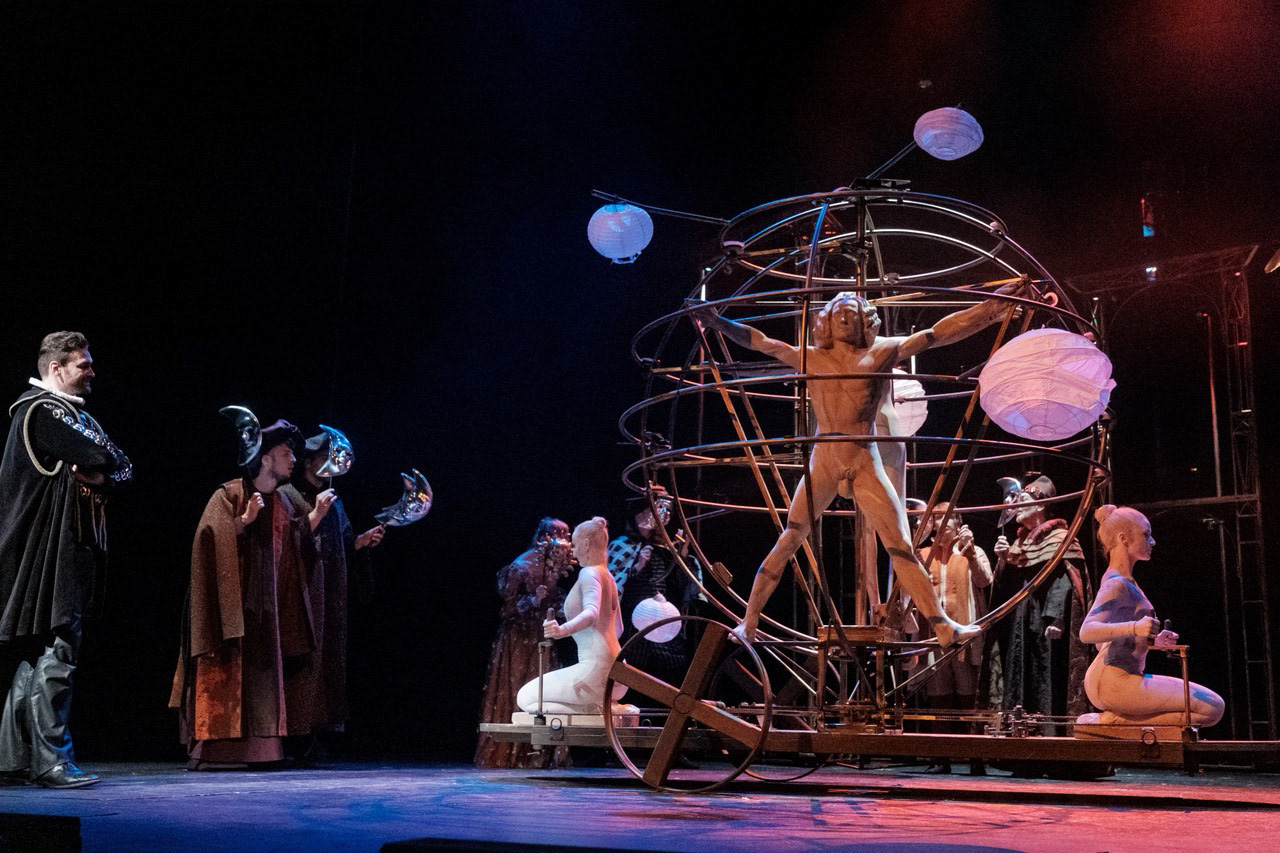
Galileo, 2019
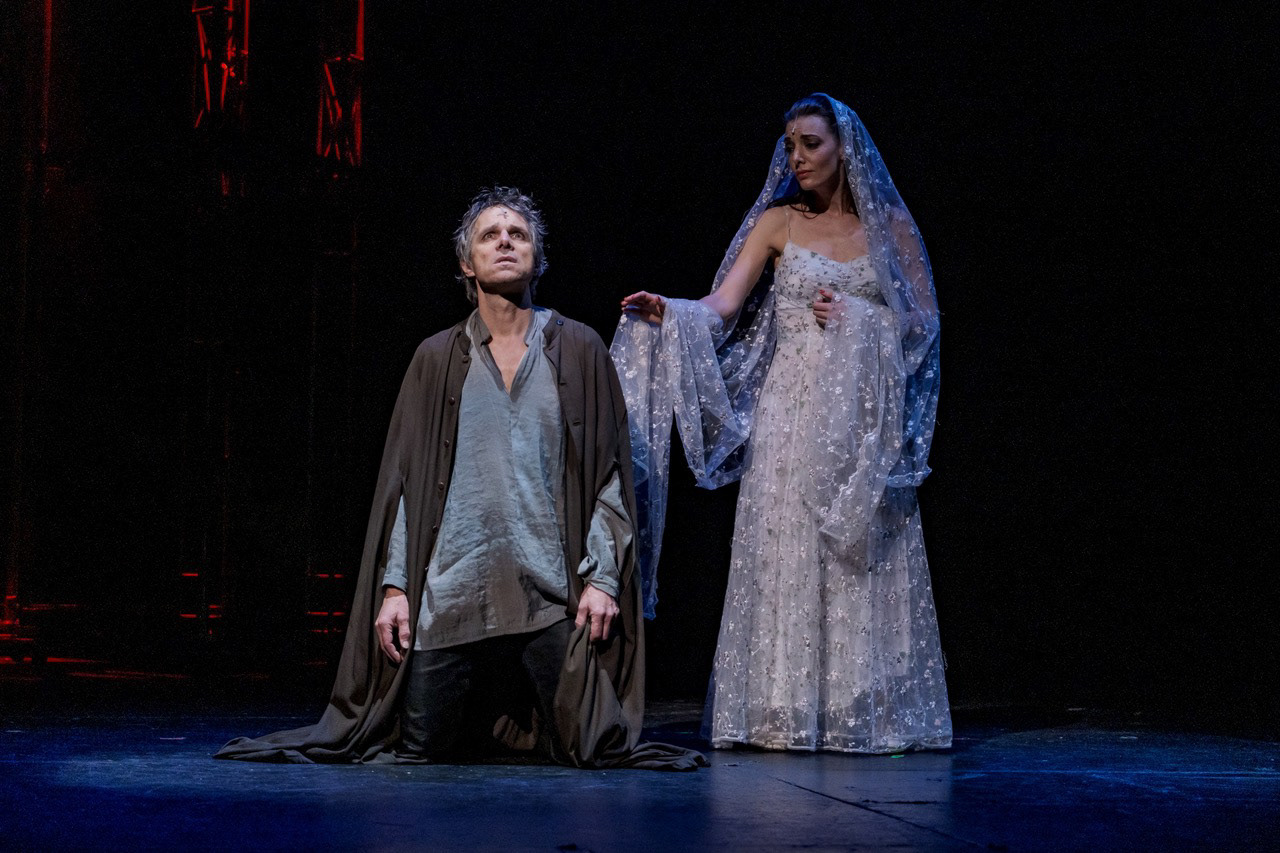
Galileo, 2019
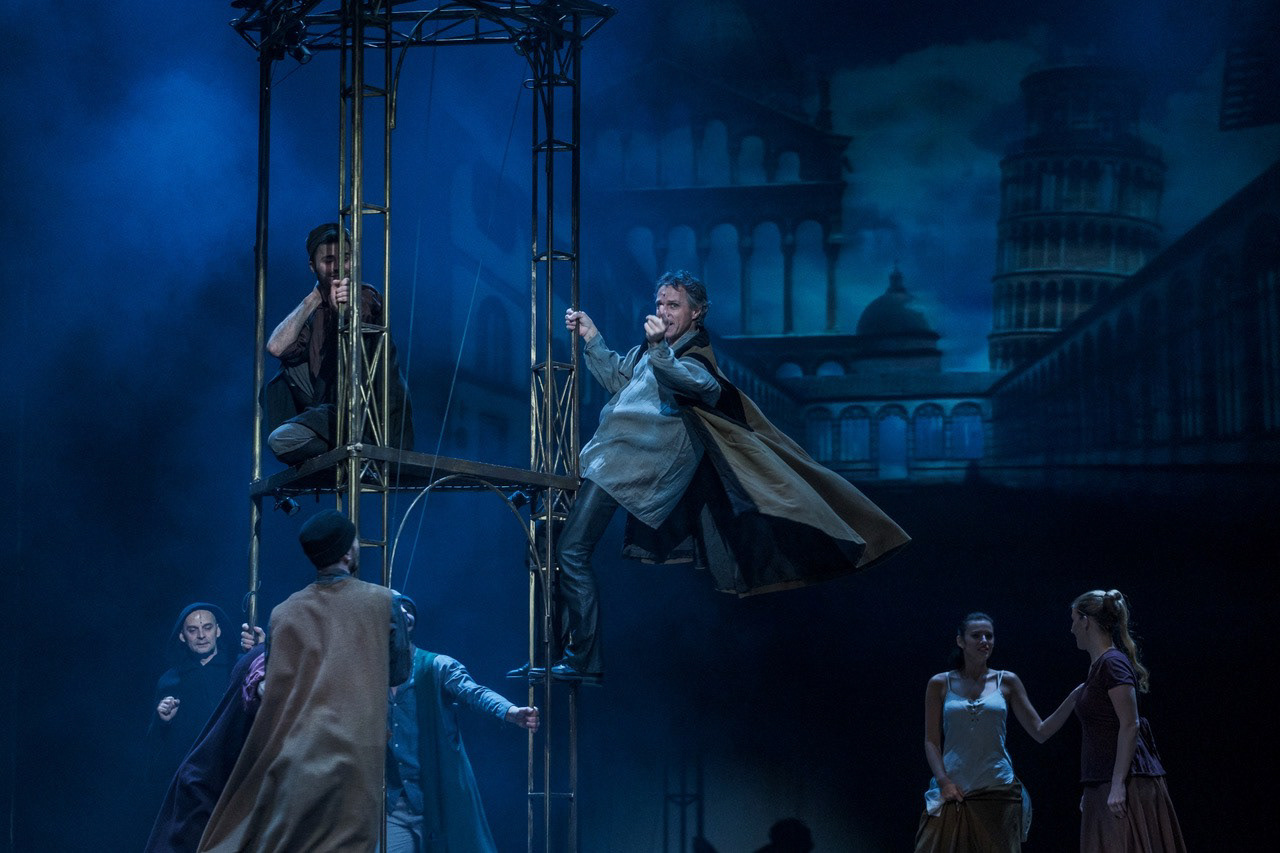
Galileo, 2019
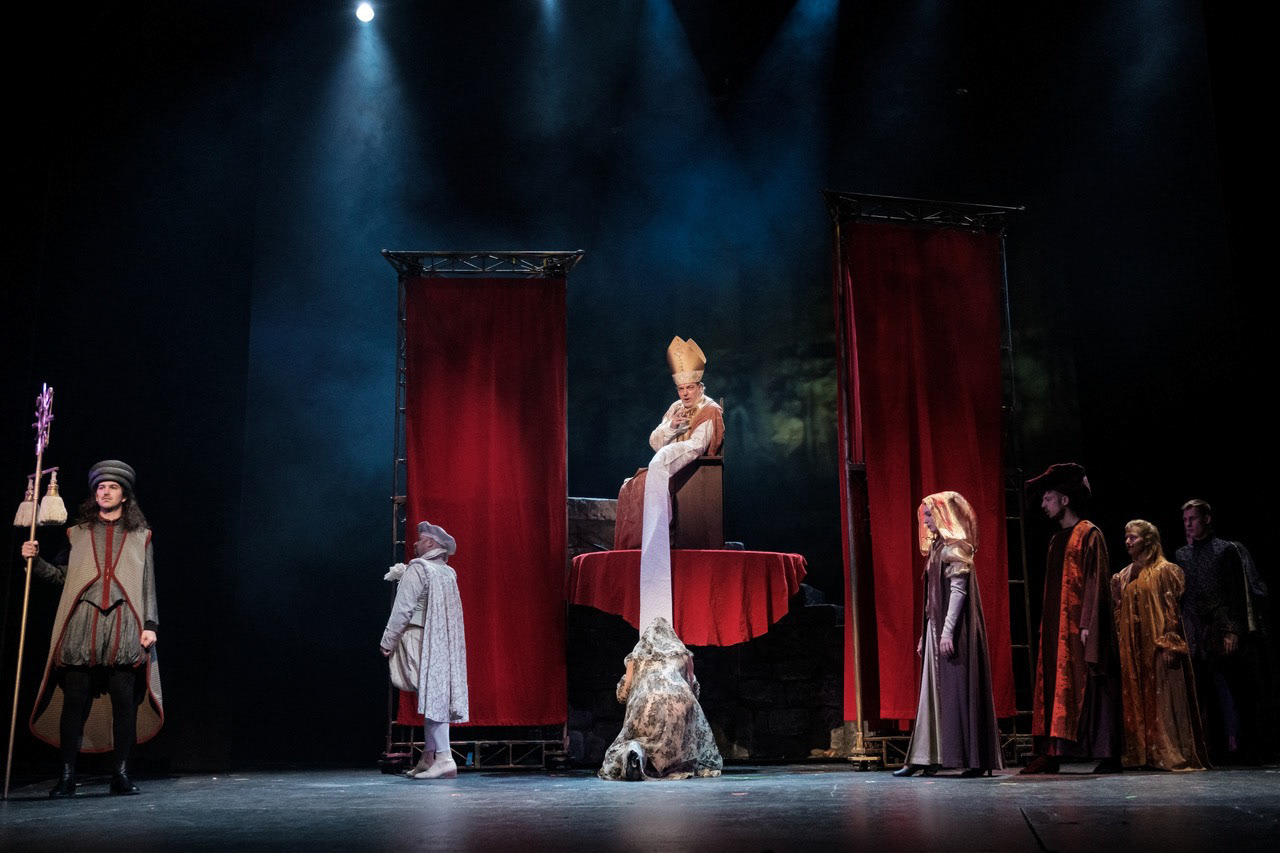
Galileo, 2019
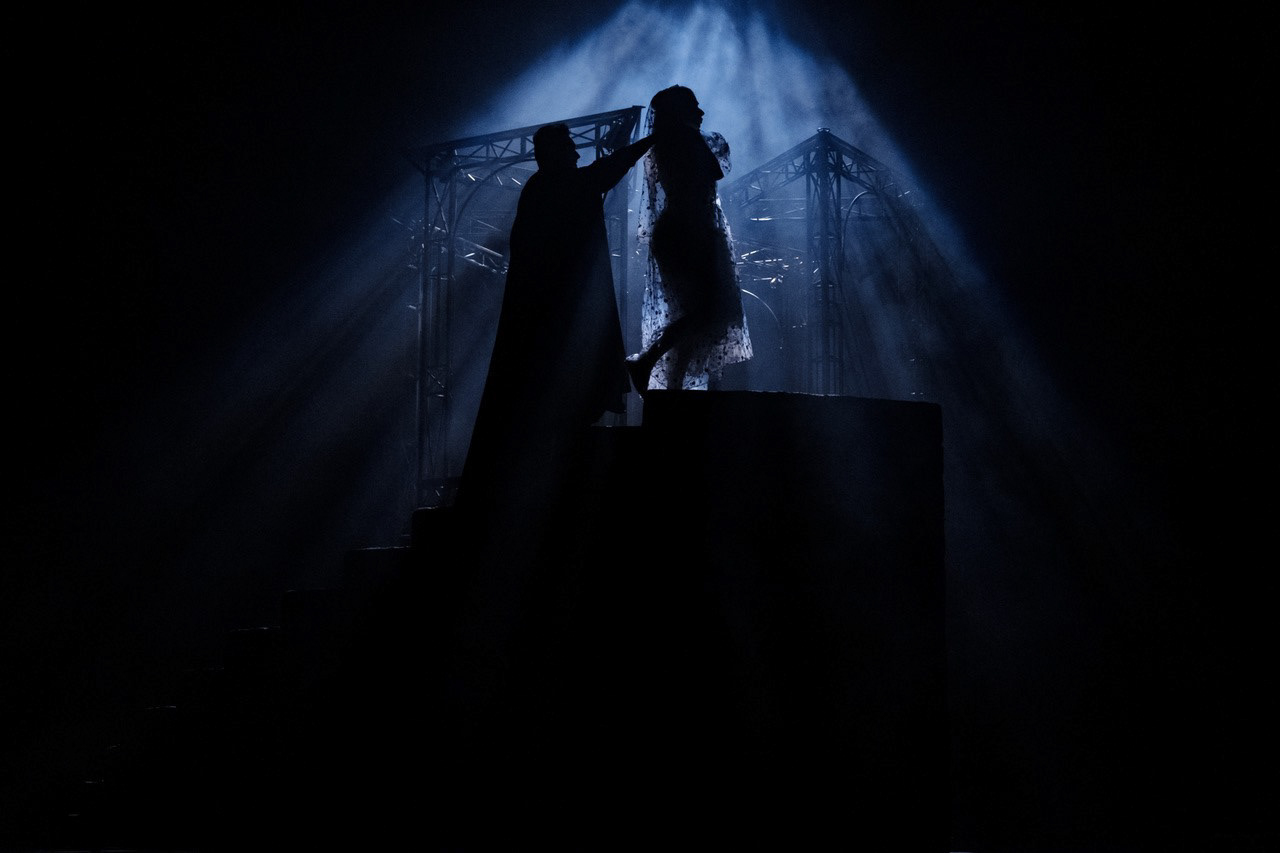
Galileo, 2019
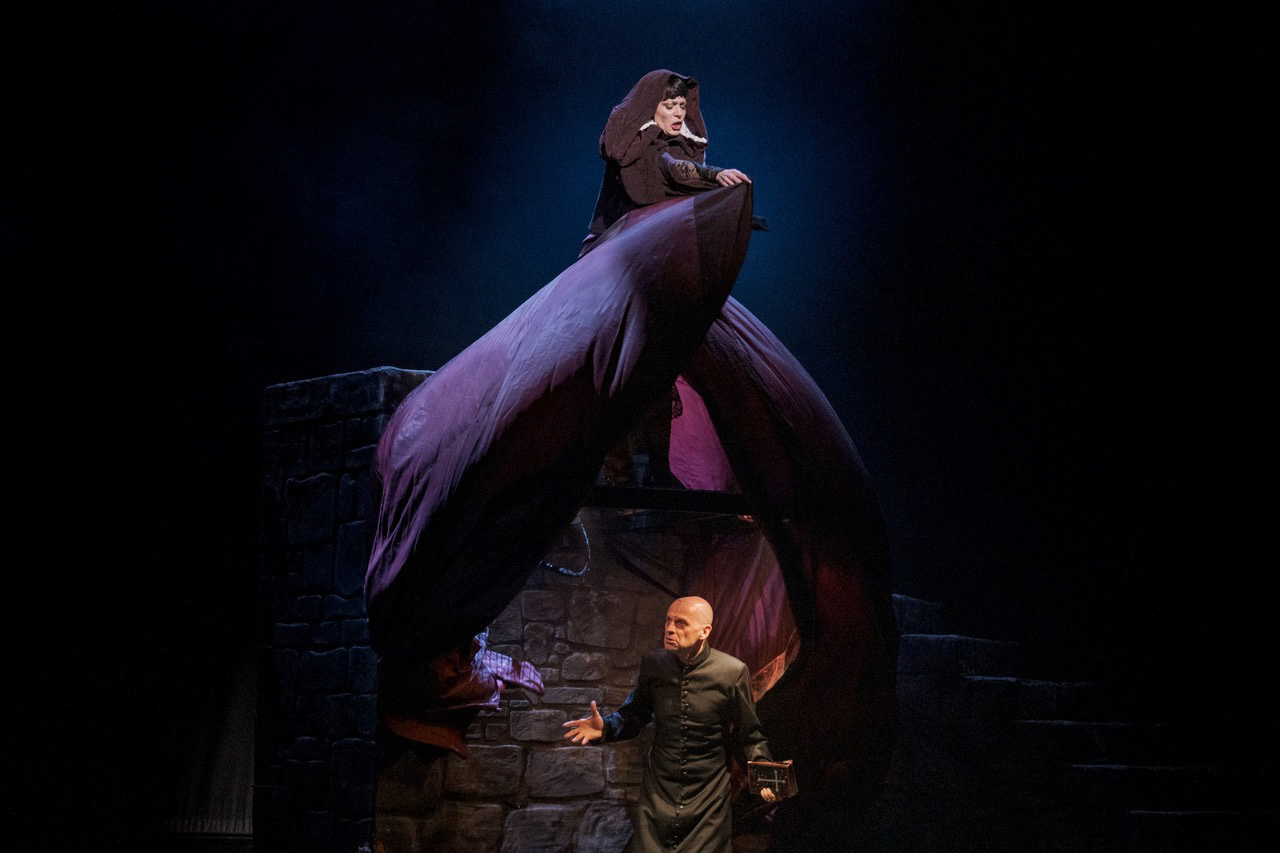
Galileo, 2019
AUTHORS
Janek Ledecký
music, book, lyrics
Šimon Caban
direction, set design
Martin Kumžák
musical direction, arrangment, orchestration
Simona Rybáková
costume design
Pavel Dautovský
light design